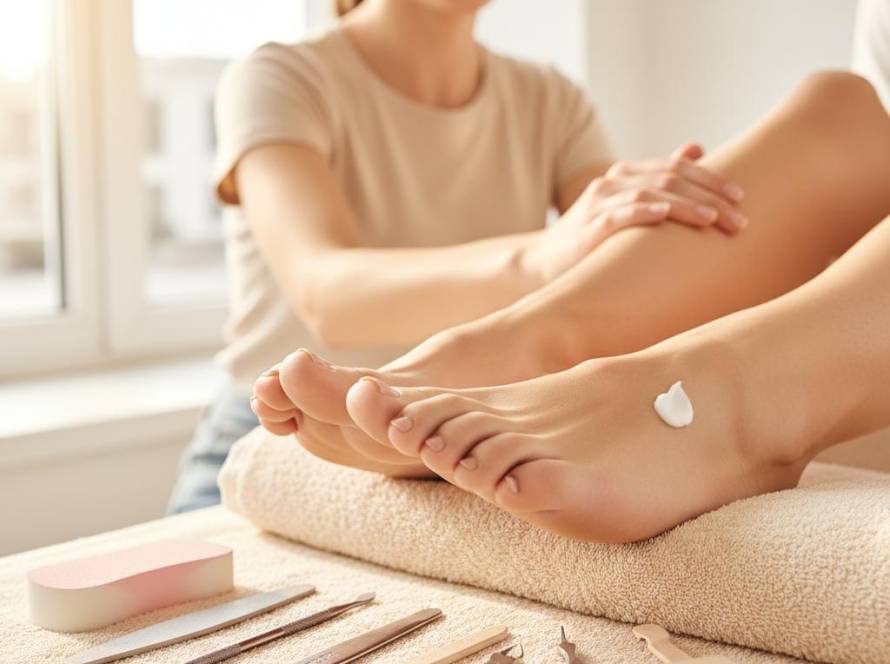

The Ultimate At-Home Pedicure Guide: A Seasonal Plan for Healthy Feet
Table of Contents
- Why Regular Foot Care Matters
- How to Prepare for a Safe At-Home Pedicure
- A Step-by-Step Pedicure Routine
- Choosing Polish and Tricks for Extended Wear
- Tackle Common Concerns Gently
- Natural Ingredients and Home Remedies That Help
- Seasonal Adjustments for Cold and Hot Weather
- Signs You Should See a Foot Specialist
- Quick Maintenance Routines Between Full Pedicures
- Frequently Asked Questions
- Resources and Suggested Further Reading
When you think of a pedicure, you might picture vibrant nail polish and a relaxing salon chair. While that’s part of the appeal, a true pedicure is a fundamental practice for foot health. It’s about more than just aesthetics; it’s a vital self-care ritual that keeps your feet healthy, comfortable, and ready to carry you through life. This guide will walk you through creating a restorative at-home pedicure routine that focuses on long-term health and maintenance, adapting to your needs throughout the year.
Why Regular Foot Care Matters
Our feet endure a tremendous amount of stress every day, yet they are often the most neglected part of our bodies. Establishing a regular pedicure routine is an investment in your overall well-being. Consistent foot care goes far beyond having pretty toes.
The benefits include:
- Early Detection of Problems: Regularly examining your feet during a pedicure helps you spot issues like fungal infections, corns, bunions, and blisters before they become serious.
- Prevents Infections: Trimming and cleaning your toenails properly helps prevent them from growing inward and causing infections. Removing bacteria and dirt from your feet is a crucial step in preventing nail diseases and foot odor.
- Improves Foot Health: A good pedicure routine helps manage calluses and dry, cracked skin, which can be painful and lead to deeper fissures if left untreated.
- Boosts Circulation: The foot soak and massage components of a pedicure stimulate blood flow in your feet and lower legs, which can reduce pain and help distribute heat during colder months.
- Promotes Mental Well-being: The act of performing a pedicure is a form of mindful self-care. It provides a quiet moment to de-stress, relax, and care for your body, reducing anxiety and improving your mood.
How to Prepare for a Safe At-Home Pedicure
Creating a salon-quality experience at home is easy with the right preparation. The key is to prioritize cleanliness and use the right tools for the job. A safe at-home pedicure ensures you get all the benefits without the risk of injury or infection.
Essential Tools and Why Each Matters
You don’t need a professional kit, but having these basics will make your pedicure effective and safe:
- Foot Basin: A simple tub large enough for both feet to soak comfortably.
- Nail Clippers: Choose a straight-edged clipper specifically for toenails to help prevent ingrown nails.
- Nail File or Emery Board: For smoothing and shaping the edges of your nails after trimming.
- Pumice Stone or Foot File: To gently exfoliate rough skin and reduce calluses. Avoid aggressive metal graters, which can cause damage.
- Cuticle Pusher: A wooden or rubber-tipped stick is best for gently pushing back cuticles without tearing the skin.
- Foot Scrub: Can be store-bought or a simple homemade mixture (like sugar or salt with oil) to exfoliate the skin.
- Thick Moisturizer or Foot Cream: Essential for hydrating the skin after soaking and exfoliation.
- Towels: One for drying your feet and another to place under your work area.
Hygiene and Safety Checklist
Safety should always come first. Before you begin your pedicure, run through this quick checklist:
- Clean Your Tools: Wash all tools with soap and water, then wipe them down with rubbing alcohol before and after each use.
- Never Share Tools: To prevent the spread of bacteria and fungus, your pedicure tools should be for your use only.
- Work in a Clean Space: Ensure your foot basin and the floor area are clean.
- Don’t Cut Cuticles: Your cuticles are a natural barrier against bacteria. Pushing them back gently is safe; cutting them is not.
- Be Gentle: Avoid aggressive filing or scrubbing, which can break the skin and open the door to infection.
A Step-by-Step Pedicure Routine
Follow these steps for a comprehensive and relaxing at-home pedicure. Set aside about 45-60 minutes where you can be undisturbed.
Foot Soak and Gentle Exfoliation
The first step is to soften your skin and nails. Fill your basin with warm (not hot) water and add a handful of Epsom salts, which help soothe aches and soften skin. You can also add a few drops of an essential oil like lavender for relaxation or tea tree for its antifungal properties. Soak your feet for 10-15 minutes.
After soaking, pat one foot dry and gently scrub it with your pumice stone or foot file, focusing on heels and any callused areas. Use light, consistent pressure. Then, use a foot scrub to exfoliate the rest of your foot and ankle. Rinse, pat dry, and repeat on the other foot.
Nail Trimming and Shaping Tips
Proper nail trimming is the cornerstone of a healthy pedicure. Always use a clean, sharp toenail clipper.
- Trim Straight Across: Do not curve the edges of your toenails. Cutting them in a straight line is the most effective way to prevent painful ingrown toenails.
- Don’t Cut Too Short: Leave a small amount of white at the tip. Cutting nails too short can lead to pain and infection.
- File Gently: Use a nail file to lightly smooth any sharp corners or rough edges, filing in one direction to prevent splitting.
Cuticle Care Without Harm
After your soak, your cuticles will be soft and pliable. Instead of cutting them, apply a drop of cuticle oil or moisturizer to the base of each nail. Then, use a wooden or rubber-tipped cuticle pusher to gently push them back. This cleans up the nail bed without removing the protective barrier.
Moisturizing and Foot Massage Techniques
This is the most luxurious part of any pedicure. Generously apply a thick foot cream or natural butter (like shea or cocoa butter) to your feet. Take a few minutes to give yourself a simple foot massage. Use your thumbs to make small circles on the arch and ball of your foot. Gently pull each toe to stretch the small muscles. This not only feels amazing but also boosts circulation and ensures the moisturizer is fully absorbed.
Choosing Polish and Tricks for Extended Wear
If you choose to apply polish, a few extra steps can make your pedicure last longer. For nail health, consider taking breaks from polish to allow your nails to breathe. When you do polish, clean your nail plate with a bit of nail polish remover to remove any oils or lotion. This helps the polish adhere better.
- Apply a thin layer of a base coat to prevent staining and help the polish stick.
- Brush on two thin coats of your chosen color, letting each coat dry for a few minutes in between.
- Finish with a top coat to add shine and protect against chipping.
- Give your toes at least 30-45 minutes of open-air drying time to fully set.
Tackle Common Concerns Gently
An at-home pedicure is a great time to address common foot issues. The key is to be gentle and consistent.
Managing Dry Skin and Calluses
Calluses are areas of thick, hard skin that build up from pressure and friction. While they are protective, they can become uncomfortable or crack. The best way to manage them is with consistency. Use a pumice stone or foot file 2-3 times a week on damp skin. Follow up immediately with a thick moisturizer containing ingredients like urea or lactic acid to help break down hard skin. Never try to cut or shave calluses at home, as this can lead to serious injury.
Preventing and Treating Ingrown Nails
The primary cause of ingrown toenails is improper trimming. By cutting your nails straight across and not too short, you can prevent most cases. If you do notice a slightly ingrown nail (redness and minor pain at the nail edge), you can try soaking it in warm, soapy water several times a day. If it’s very painful, swollen, or shows signs of infection, see a specialist immediately.
Natural Ingredients and Home Remedies That Help
You don’t need expensive products for an effective pedicure. Many of the best ingredients are already in your kitchen pantry:
- Epsom Salt: Relieves sore muscles and softens skin for exfoliation.
- Oatmeal: A ground oatmeal soak can soothe itchy or irritated skin.
- Apple Cider Vinegar: Adding a splash to your foot soak can help with foot odor and has antimicrobial properties.
- Coconut or Olive Oil: Excellent natural moisturizers. You can use them for a foot massage or as part of a homemade sugar scrub.
- Tea Tree Oil: A powerful natural antiseptic and antifungal, perfect for adding to a foot soak.
Seasonal Adjustments for Cold and Hot Weather
A smart foot care strategy adjusts with the seasons. Future-forward wellness plans for 2025 and beyond emphasize this adaptive approach to self-care.
In Cold Weather (Fall/Winter): Your feet are hidden in socks and boots, making them prone to dryness and neglect. Your winter pedicure should focus on intense hydration. Try an overnight moisturizing treatment: slather your feet in a heavy cream or petroleum jelly, then put on a pair of cotton socks before bed. Focus on keeping your heels from cracking by moisturizing daily.
In Hot Weather (Spring/Summer): With sandal season in full swing, your pedicure routine shifts. Focus on thorough exfoliation to keep heels and toes smooth. Since your feet are more exposed, they can get dirty easily, so more frequent soaks are beneficial. Don’t forget to apply sunscreen to the tops of your feet to prevent sunburn.
Signs You Should See a Foot Specialist
While an at-home pedicure is great for maintenance, some issues require professional medical attention. Consult a podiatrist or your doctor if you experience any of the following:
- Signs of a fungal infection (yellow, brittle, or thickened nails).
- Signs of a bacterial infection (redness, swelling, pus, or warmth around a nail).
- A painful or deeply embedded ingrown toenail.
- Warts or other persistent skin lesions on your feet.
- Pain that doesn’t go away.
- If you have diabetes, nerve damage, or poor circulation, it is highly recommended to seek professional foot care rather than performing an at-home pedicure, as even small cuts can lead to serious complications.
Quick Maintenance Routines Between Full Pedicures
You don’t need a full pedicure every week. Keep your feet in top shape with these quick tips:
- Moisturize your feet every night before bed.
- After a shower, use a towel to gently push back your cuticles.
- Keep your nail file handy to smooth any snags before they tear.
- Wear comfortable, properly fitting shoes to prevent calluses and other issues.
Frequently Asked Questions
How often should I do a full at-home pedicure?
A full pedicure is recommended every 2 to 4 weeks. However, daily moisturizing and weekly exfoliation can help maintain foot health in between.
Is it better to file nails or clip them?
For toenails, it’s best to clip them first to remove length, then use a file to smooth and shape the edges. Clipping is more efficient for the thickness of toenails.
Can a pedicure help with foot pain?
Yes, the massage and soaking components of a pedicure can help relieve general foot fatigue and muscle soreness. However, for persistent or sharp pain, you should see a medical professional.
Resources and Suggested Further Reading
For more detailed information on foot health from trusted medical sources, please explore the following links: