
The Ultimate Guide to a Safe and Healthy At-Home Pedicure
Table of Contents
- Why regular foot care supports comfort and mobility
- Foot basics — simple anatomy every reader should know
- Hygiene first — cleaning and infection prevention
- Tools and eco-friendly substitutes
- Step-by-step at-home pedicure routine
- Gentle callus and rough skin care without harsh tools
- Nail shaping techniques to reduce ingrown nails
- Natural moisturizers and barrier-repair tips
- When a foot issue needs professional attention
- Weekly and monthly maintenance plans for lasting results
- Troubleshooting common problems
- Visuals and resources to practice safer pedicures
A pedicure is often seen as a cosmetic luxury, a way to get beautiful, sandal-ready feet. But a proper pedicure is much more than that—it is an essential practice for your overall health and well-being. Thinking of your pedicure as a health routine rather than just a beauty treatment can transform your approach to foot care. This guide offers a dermatology-informed, skin-first approach to the perfect at-home pedicure, focusing on safe techniques, hygiene, and low-waste practices. Whether you are new to foot care or looking to refine your routine, these steps will help you achieve comfortable, healthy, and happy feet.
Why regular foot care supports comfort and mobility
Your feet are your body’s foundation. They support your weight, absorb shock, and propel you forward with every step. When foot health is neglected, it can lead to pain, discomfort, and even mobility issues that affect your posture and quality of life. A regular, well-executed pedicure does more than keep your feet looking good; it is a proactive measure for your health.
Consistent foot care helps to:
- Prevent ingrown toenails: Proper trimming and shaping can stop painful ingrown nails before they start.
- Manage calluses and corns: Gently addressing rough skin prevents painful buildup that can alter your gait.
- Improve hygiene: Cleaning and exfoliating your feet reduces the risk of fungal and bacterial infections.
- Increase blood circulation: The act of soaking and massaging your feet during a pedicure stimulates blood flow, which can reduce tension and pain.
- Allow for early detection of issues: By regularly inspecting your feet, you are more likely to notice early signs of problems like fungal infections, blisters, or circulation issues.
Ultimately, a consistent pedicure routine is a commitment to your body’s structural integrity, ensuring your foundation remains strong and supportive for years to come.
Foot basics — simple anatomy every reader should know
Understanding the basic structure of your feet and nails will empower you to perform a safer and more effective pedicure. You do not need to be an expert, but knowing these key parts will help you care for them correctly.
- Nail Plate: This is the hard, visible part of your toenail. It is made of keratin and its main job is to protect the sensitive nail bed underneath.
- Nail Bed: The soft tissue directly beneath the nail plate. It is rich in blood vessels, which gives the nail its pinkish color.
- Cuticle: The thin layer of clear skin at the base of your nail plate. Its crucial function is to form a seal that protects the new nail from bacteria and moisture as it grows from the root. This is why aggressive cutting is discouraged.
- Sole: The bottom of your foot. It is designed to withstand significant pressure and has thicker skin than most other parts of your body.
- Heel and Ball: These are the primary weight-bearing areas of your foot. They are prone to developing thick, hard skin (calluses) as a protective response to friction and pressure.
Knowing these parts helps you understand why we push cuticles back instead of cutting them and why gentle exfoliation is better for your soles than harsh scraping.
Hygiene first — cleaning and infection prevention
Hygiene is the most critical aspect of any pedicure, whether at home or in a salon. Unclean tools or improper techniques can introduce bacteria or fungi, leading to infections that are difficult to treat. Prioritizing cleanliness ensures your pedicure is a healthy practice, not a source of problems.
Safe soaking alternatives
While a long, hot foot soak feels luxurious, it can be a double-edged sword. Over-soaking can strip the skin of its natural oils, leading to dryness and weakening the skin barrier. Furthermore, foot baths can harbor germs if not cleaned meticulously. For a safer, low-waste at-home pedicure in 2025 and beyond, consider these alternatives:
- The Warm Towel Wrap: Dampen a clean towel with warm water, wrap it around one foot for 5-10 minutes to soften the skin and cuticles, and then proceed with your pedicure. Repeat on the other foot. This method uses less water and minimizes infection risk.
- The “Shower Pedicure”: Perform the exfoliation and nail care steps immediately after a warm shower when your skin is already clean, soft, and pliable.
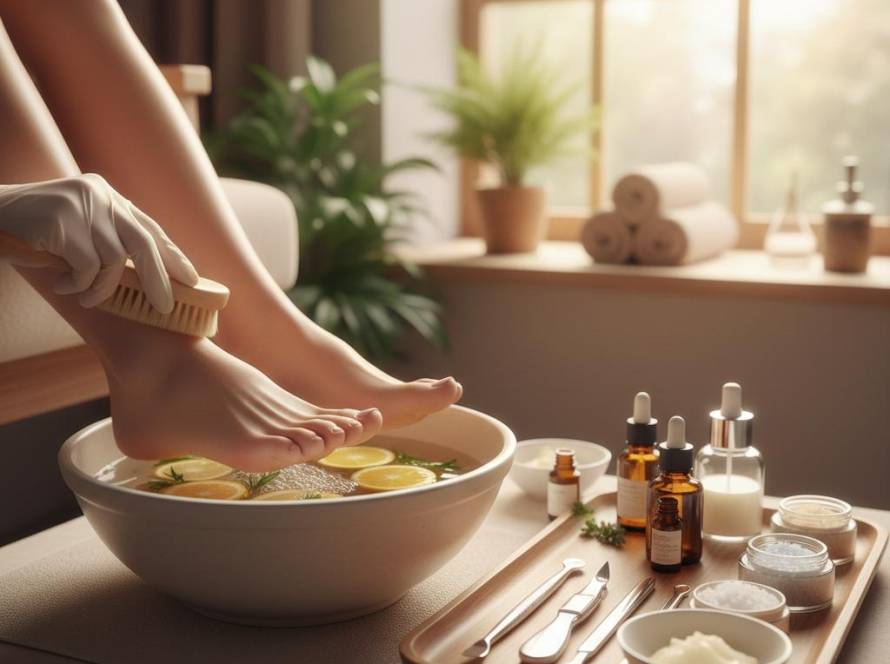
- The Minimalist Soak: If you love the feeling of a soak, limit it to 10 minutes in lukewarm water with a small amount of Epsom salts. Avoid harsh soaps or detergents. Ensure the basin is thoroughly scrubbed and disinfected before and after each use.
Tools and eco-friendly substitutes
You do not need a drawer full of gadgets for a high-quality pedicure. A few essential, well-maintained tools are all it takes. Opting for durable, reusable items is also a great way to make your foot care routine more sustainable.
Essential Pedicure Toolkit:
- Nail Clippers: A straight-edged clipper is best for toenails to prevent ingrowns.
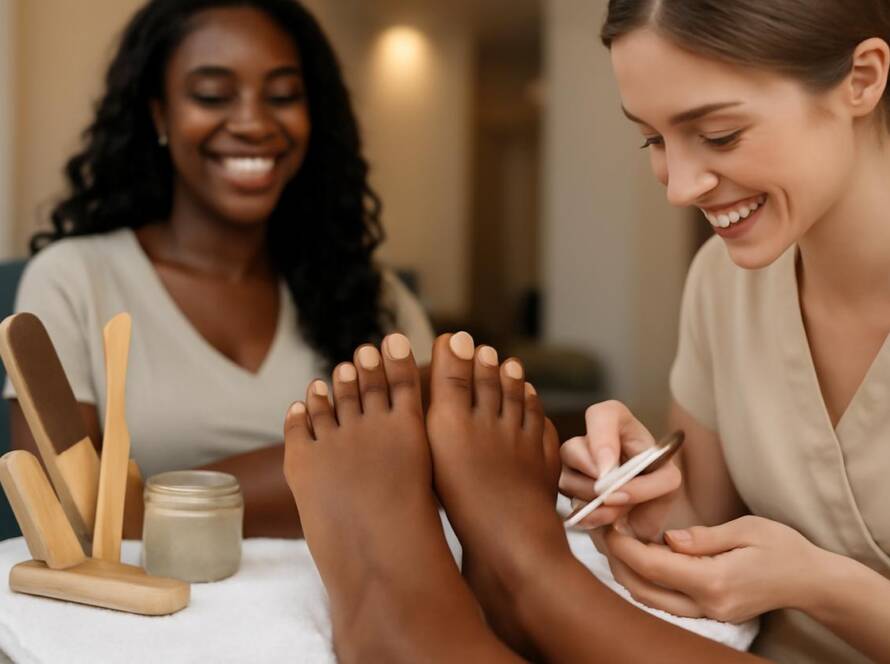
- Glass or Crystal Nail File: These are gentle on nails, preventing splitting and peeling. They are also durable, easy to sanitize, and last much longer than emery boards.
- Wooden or Bamboo Orange Stick: For gently pushing back cuticles. Avoid metal pushers, which can be too harsh on the nail plate.
- Pumice Stone or Foot File: For gently exfoliating calluses and rough patches on damp skin.
- Reusable Cotton Rounds: For removing nail polish with a non-acetone remover.
How to sterilize and store tools
Proper sanitation prevents the transfer of germs. Follow this simple process after every at-home pedicure:
- Wash: Use warm, soapy water to scrub your tools, removing any visible debris. A small brush can help clean crevices.
- Disinfect: Thoroughly wipe or soak the tools in 70% isopropyl alcohol for at least 5-10 minutes. This is effective at killing most bacteria and fungi.
- Dry: Air dry the tools completely on a clean towel. Moisture can encourage bacterial growth.
- Store: Keep your clean, dry tools in a dedicated, closed container or pouch to protect them from dust and contamination.
Step-by-step at-home pedicure routine
Follow this structured routine for a safe, effective, and relaxing at-home pedicure experience. Work on one foot at a time to ensure your skin does not dry out between steps.
Prep, soak, exfoliate, shape, moisturize
- Prep: If you are wearing polish, remove it using a non-acetone remover and a reusable cotton pad. Non-acetone formulas are less drying to the nails and surrounding skin.
- Soak (or Soften): Use one of the safe soaking alternatives mentioned earlier, like a warm towel wrap, for about 5-10 minutes to soften the skin and nails.
- Exfoliate and Address Calluses: While your skin is still damp, use a pumice stone or a gentle foot file on your heels, the balls of your feet, and any other rough areas. Use light to medium pressure in a circular or back-and-forth motion. Remember, the goal is to smooth, not remove, the entire callus.
- Shape and Care for Nails:
- Clip: Use a straight-edged toenail clipper to trim your nails. Cut them straight across, ensuring you do not trim them too short. The corners should be left slightly square to prevent them from growing into the skin.
- File: Gently file the edges with a glass nail file to smooth any sharp corners. File in one direction to avoid weakening the nail.
- Cuticles: Apply a drop of cuticle oil to the base of each nail. Use a wooden orange stick to gently push your cuticles back. Never cut your cuticles, as they are a vital protective barrier.
- Moisturize: This is a non-negotiable final step. Generously apply a thick, nourishing foot cream to your entire foot, including the nails and cuticles. Massage it in to boost circulation and hydration. For an intensive treatment, put on a pair of cotton socks for a few hours or overnight.
Gentle callus and rough skin care without harsh tools
Aggressive callus removal tools, such as metal graters or blades, are dangerous for at-home use. They can easily remove too much skin, causing cuts, bleeding, and infections. Instead, a gentle and consistent approach is far safer and more effective. True progress in callus management comes from consistency, not intensity.
For an effective pedicure, focus on these gentle strategies:
- Regular Exfoliation: Use a pumice stone on damp skin 2-3 times a week. This prevents thick layers of hard skin from building up.
- Exfoliating Creams: Look for foot creams containing ingredients like urea (10-20%), salicylic acid, or lactic acid. These chemical exfoliants work by dissolving the bonds between dead skin cells, helping to soften and reduce calluses over time without any harsh scrubbing.
- Proper Footwear: The best callus treatment is prevention. Ensure your shoes fit well and provide adequate support to reduce friction and pressure points.
Nail shaping techniques to reduce ingrown nails
Ingrown toenails occur when the corner or side of a toenail grows into the soft flesh. They can be incredibly painful and may lead to infection. The single most effective way to prevent them is through proper nail-trimming technique during your pedicure.
Follow this rule: always cut your toenails straight across. Avoid rounding the corners or cutting them down at the sides. The top edge of your nail should form a relatively straight line. After clipping, you can use a file to very gently soften any sharp points at the very tip of the corners, but do not round them off. This shaping technique encourages the nail to grow forward instead of digging into the surrounding skin.
For more information on proper nail care, you can refer to resources from the American Academy of Dermatology.
Natural moisturizers and barrier-repair tips
Healthy, hydrated skin is less prone to cracking, calluses, and irritation. The final step of your pedicure—moisturizing—is crucial for maintaining your foot’s skin barrier. This barrier locks in moisture and protects against external irritants.
Look for products with these powerhouse ingredients:
- Humectants: These draw moisture into the skin. Examples include urea, glycerin, and hyaluronic acid.
- Emollients: These soften and smooth the skin. Natural options like shea butter and coconut oil are excellent choices.
- Occlusives: These form a protective layer on the skin’s surface to prevent moisture loss. Petrolatum and lanolin are highly effective.
- Ceramides: These are lipids that are essential to the skin’s natural barrier. Applying them topically helps repair and strengthen it.
Tip for 2025 and beyond: For an intensive overnight treatment, apply a thick layer of a ceramide or urea-based cream after your evening pedicure and wear a pair of clean cotton socks to bed. This helps the product penetrate deeply while you sleep.
When a foot issue needs professional attention
An at-home pedicure is fantastic for maintenance, but it is not a substitute for professional medical care. Certain conditions require the expertise of a podiatrist (foot doctor) or a dermatologist. Schedule an appointment if you experience any of the following:
- Signs of infection: Redness, swelling, pus, or increased pain around a nail or on the foot.
- A painful ingrown toenail: If an ingrown nail is deeply embedded or shows signs of infection, do not attempt to fix it yourself.
- Warts or unusual growths: A professional can properly diagnose and treat growths like plantar warts.
- Persistent fungal infections: If over-the-counter treatments for athlete’s foot or toenail fungus are not working.
- Nail discoloration or changes: A dark streak under the nail or significant changes in nail texture or shape should be evaluated.
- If you have diabetes: Individuals with diabetes should have their foot care managed by a professional. Due to risks of poor circulation and neuropathy, even minor cuts can lead to serious complications. The American Podiatric Medical Association provides critical guidance on this topic.
Weekly and monthly maintenance plans for lasting results
Consistency is key to maintaining healthy feet. A full pedicure does not need to be a weekly event. By breaking down tasks, you can keep your feet in great shape with minimal effort.
| Frequency | Task | Description |
|---|---|---|
| Daily | Clean and Moisturize | Wash your feet and apply a good quality foot cream every night before bed. |
| Weekly | Inspect and Smooth | Check nails for any issues. Use a pumice stone lightly in the shower on rough spots. Gently push back cuticles after your shower. |
| Monthly | Full At-Home Pedicure | Perform the complete step-by-step pedicure routine: trim, file, exfoliate, and deeply moisturize. |
Troubleshooting common problems
Even with a great routine, you might encounter some common foot care issues. Here is how to handle them.
Nail discoloration
Yellowish or whitish discoloration can have several causes. It might be staining from dark nail polish, a sign of a fungal infection, or related to an underlying health condition. If the discoloration persists after a break from polish or is accompanied by thickening or crumbling, it is best to consult a doctor for a proper diagnosis.
Persistent dryness
If your heels remain cracked and dry despite regular moisturizing, you may need to upgrade your cream to one with a higher concentration of urea (20% or more) or an alpha-hydroxy acid (AHA). Also, ensure you are hydrating from within by drinking plenty of water. If the dryness is accompanied by redness and itching, it could be a sign of athlete’s foot, which requires an antifungal treatment.
Visuals and resources to practice safer pedicures
While this guide provides detailed steps, sometimes a visual aid is helpful. Since we are avoiding direct images, we encourage you to seek out diagrams and videos from trusted medical sources. Authoritative websites from dermatology and podiatry associations often feature illustrated guides that can help you master techniques like cutting your nails straight across or identifying the signs of an infection. A well-informed pedicure is a safe pedicure.
For reliable information and visual references, consider exploring the public resource sections of:
- The American Academy of Dermatology (AAD)
- The American Podiatric Medical Association (APMA)
By transforming your view of the pedicure from a simple cosmetic treatment to a vital health routine, you invest in your comfort, mobility, and overall well-being. A consistent, gentle, and hygienic at-home pedicure practice is one of the best forms of self-care you can give your body’s foundation.