
Your Complete Guide to the Perfect Pedicure: Pro Tips for Home Care
Table of Contents
- Introduction: More Than Just Polish
- Understanding Your Feet: Simple Anatomy and Common Concerns
- Your Pedicure Toolkit: Essential Tools and Safe Substitutes
- Step 1: Preparing Your Feet for the Perfect Pedicure
- Step 2: A Guide to Flawless Nail Care
- Step 3: Achieving Silky Smooth Skin
- DIY Natural Scrubs and Soothing Masks
- Safe Use of Files, Pumice Stones, and Electric Tools
- Choosing Your Polish: Non-Toxic Options and Application Tips
- The At-Home Pedicure Routine: Quick and Full Versions
- Pedicure Aftercare: Maintaining Healthy Feet
- Troubleshooting Common Foot Issues
- When to Consult a Health Professional
- Seasonal Adaptations and Travel-Friendly Pedicure Tips
- Sustainability and Hygiene: Eco-Friendly Foot Care
- Quick Pedicure Checklist and Summary
Introduction: More Than Just Polish
A pedicure is often seen as a cosmetic luxury—a way to get sandal-ready feet with a pop of color. While it certainly is that, a regular pedicure is fundamentally about foot health and comfort. Our feet carry us through life, absorbing thousands of pounds of pressure every day. Neglecting them can lead to discomfort, cracked skin, ingrown nails, and other preventable issues. This comprehensive guide will walk you through the art and science of the at-home pedicure, focusing on sustainable practices and professional techniques you can master yourself. We will explore everything from basic foot anatomy to creating your own natural scrubs, empowering you to maintain healthy, happy feet year-round. For a general overview, you can explore the basics of a pedicure here.
Understanding Your Feet: Simple Anatomy and Common Concerns
Before you begin your pedicure, it helps to understand the structure of your feet. Each foot contains 26 bones, 33 joints, and over 100 muscles, ligaments, and tendons. The skin on the soles is naturally thicker to withstand pressure, which is why it’s prone to developing calluses. Key areas of focus during a pedicure include the toenails, cuticles (the thin layer of skin at the base of the nail), heels, and the balls of the feet.
Common Foot Concerns
- Dry, Cracked Heels: Caused by a lack of moisture, prolonged standing, or open-backed shoes.
- Calluses and Corns: Thick, hardened layers of skin that develop as a protective response to friction and pressure.
- Ingrown Toenails: Occur when the corner or side of a toenail grows into the soft flesh, often due to improper trimming.
- Athlete’s Foot: A fungal infection that typically begins between the toes, causing an itchy, scaly rash.
Understanding these common issues helps you tailor your pedicure to address your specific needs, promoting better overall foot health guidance.
Your Pedicure Toolkit: Essential Tools and Safe Substitutes
You don’t need a professional salon setup to achieve a great at-home pedicure. Investing in a few quality, reusable tools is a sustainable choice that pays off in the long run.
The Essentials
- Foot Soak Basin: Any clean basin or tub large enough for your feet will work.
- Nail Clippers: Choose a straight-edged clipper for toenails to help prevent ingrown nails.
- Nail File: A glass or crystal nail file is a durable and hygienic option.
- Cuticle Pusher: A wooden orangewood stick or a reusable stainless steel pusher with a soft rubber tip is ideal.
- Pumice Stone or Foot File: For gently exfoliating calluses and rough skin.
- Foot Scrub: You can buy one or make a simple, natural version at home.
- Moisturizer: A thick cream or balm specifically for feet.
- Towels: One for drying and another to place under your basin.
- Toe Separators: Reusable silicone ones are a great eco-friendly choice.
Safe and Sustainable Substitutes
If you don’t have all the tools, you can get creative. A soft, wet washcloth can be used to gently push back cuticles, and a homemade sugar or salt scrub works just as well as many store-bought options. Avoid using sharp objects like razors to remove calluses, as this can lead to injury and infection.
Step 1: Preparing Your Feet for the Perfect Pedicure
Proper preparation is the key to an effective and relaxing pedicure. This step cleanses your feet, softens the skin, and prepares your nails for treatment.
Cleansing and Softening Soak
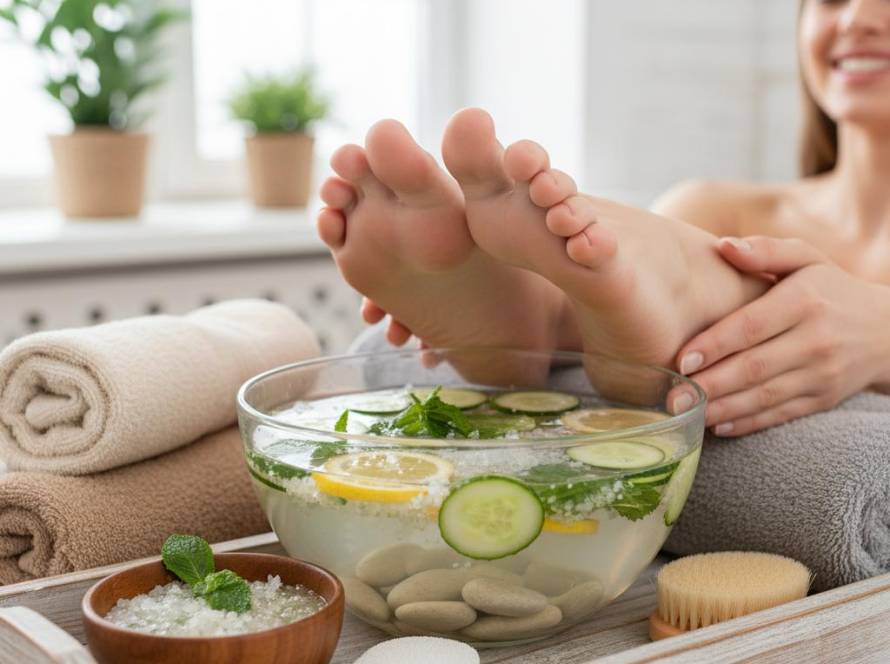
Start by removing any old nail polish with a non-acetone remover, which is gentler on your nails and skin. Fill a basin with warm water—not hot, as that can be drying. Add a handful of Epsom salts to help soothe tired muscles and reduce inflammation. You can also add a few drops of an essential oil like tea tree (for its antifungal properties) or lavender (for relaxation). Soak your feet for 10 to 15 minutes. This will soften tough skin, making callus removal easier, and prepare your cuticles to be gently pushed back.
Step 2: A Guide to Flawless Nail Care
Once your feet are clean and dry, it’s time to focus on the nails. Careful trimming and shaping are crucial for preventing painful problems like ingrown toenails.
Trimming and Shaping
Using a straight-edged toenail clipper, trim your nails straight across. Avoid cutting them too short or rounding the corners, as this encourages the nail to grow into the surrounding skin. After trimming, use a nail file to gently smooth any sharp edges, filing lightly in one direction to prevent splitting.
Gentle Cuticle Guidance
The cuticle is a natural barrier that protects your nail matrix from bacteria. For this reason, you should never cut your cuticles. Instead, after a soak, apply a drop of cuticle oil or moisturizer to the base of each nail. Use a wooden orangewood stick or a soft-tipped cuticle pusher to gently push them back. Any loose, dead skin can be carefully nipped away with a cuticle nipper, but leave the living tissue intact.
Step 3: Achieving Silky Smooth Skin
With your nails tended to, the next focus of your pedicure is the skin. Exfoliation and moisturizing will leave your feet feeling soft and rejuvenated.
Exfoliation and Callus Management
While your feet are still slightly damp, use a pumice stone or a gentle foot file on areas with calluses, like your heels and the balls of your feet. Use gentle, circular motions and don’t scrub too aggressively. The goal is to remove the top layer of dead skin, not raw skin. For an all-over exfoliation, use a foot scrub, concentrating on rough spots. Rinse your feet thoroughly and pat them dry.
The Power of Moisturizing
Hydration is the final touch for soft skin. Apply a generous amount of a thick foot cream or balm. Look for ingredients like shea butter, urea, or lanolin, which are excellent for combating dryness. Massage the cream into your feet, paying extra attention to your heels. For an intensive treatment, apply the cream at night and wear a pair of cotton socks to bed.
DIY Natural Scrubs and Soothing Masks
You can easily create effective and natural pedicure treatments using simple kitchen ingredients.
Simple Sugar and Oil Scrub
- Ingredients: 1/2 cup brown or white sugar, 1/4 cup coconut or olive oil, and 5-10 drops of peppermint essential oil (optional).
- Directions: Mix the ingredients in a small bowl until you have a thick, grainy paste. Massage onto damp feet in circular motions for a few minutes, then rinse with warm water.
Hydrating Avocado and Honey Mask
- Ingredients: 1/2 ripe avocado, 1 tablespoon of honey, and 1 tablespoon of olive oil.
- Directions: Mash the avocado and mix in the honey and olive oil until smooth. Apply the mask to your feet, wrap them in plastic wrap or a warm towel, and relax for 15-20 minutes before rinsing.
Safe Use of Files, Pumice Stones, and Electric Tools
Proper tool use is essential for a safe and effective pedicure. When using a manual foot file or pumice stone, always use it on damp, not dry, skin to avoid irritation. Never apply excessive pressure; let the tool do the work. Electric callus removers can be effective, but they must be used with extreme care. Keep the tool constantly moving and apply very light pressure to avoid burns or removing too much skin. Always clean your tools after each use to prevent bacterial growth.
Choosing Your Polish: Non-Toxic Options and Application Tips
The final cosmetic step of a pedicure is applying polish. In 2025 and beyond, the trend is moving towards healthier, non-toxic options that are better for you and the environment.
Non-Toxic Polish Formulas
Look for polishes labeled as “3-Free,” “5-Free,” “7-Free,” or higher. This indicates they are formulated without common toxic ingredients like formaldehyde, toluene, and dibutyl phthalate (DBP). These formulas are less harsh on your nails and reduce your exposure to potentially harmful chemicals.
Perfect Polish Application
- Base Coat: Always start with a base coat. It protects your nails from staining and helps the polish adhere better.
- Two Thin Coats: Apply two thin coats of your chosen color, letting each coat dry for a few minutes in between. Thin coats dry faster and are less prone to smudging.
- Top Coat: Finish with a top coat to add shine, prevent chipping, and extend the life of your pedicure.
- Clean Up: Use a small brush or cotton swab dipped in nail polish remover to clean up any mistakes around the edges.
The At-Home Pedicure Routine: Quick and Full Versions
Life is busy, but you can always find time for a pedicure. Here are two routines to fit your schedule.
The 15-Minute Quick Pedicure
- Remove old polish.
- Quickly file and shape your nails.
- Apply a fast-drying foot lotion.
- Apply a single coat of a sheer or quick-dry polish.
The 60-Minute Full Pedicure
| Step | Action | Time Allotment |
|---|---|---|
| 1 | Remove old polish and prepare your soak. | 5 minutes |
| 2 | Soak feet in warm, soapy water. | 10-15 minutes |
| 3 | Dry feet, trim and file nails, and push back cuticles. | 10 minutes |
| 4 | Exfoliate with a pumice stone and foot scrub. | 10 minutes |
| 5 | Rinse, dry, and apply a thick moisturizer. | 5 minutes |
| 6 | Wipe nails with remover, apply base coat, two color coats, and top coat. | 15 minutes |
Pedicure Aftercare: Maintaining Healthy Feet
A great pedicure doesn’t end with the top coat. Consistent aftercare keeps your feet looking and feeling great for weeks.
Maintenance Schedule
Aim for a full pedicure every 4 to 6 weeks. In between, perform mini-maintenance tasks weekly, such as moisturizing, gently filing any new rough spots, and applying a fresh top coat to your polish to prevent chips.
Simple Nightly Rituals
A simple nightly routine can make a huge difference. Before bed, wash your feet and apply a generous layer of foot cream. This simple act keeps skin hydrated and prevents cracks from forming. Gently stretching your toes and ankles can also relieve tension from the day.
Troubleshooting Common Foot Issues
Even with great care, you might encounter some common problems. Here’s how to handle them.
- Ingrown Nails: If you suspect an ingrown nail (redness, swelling, pain), soak your foot in warm, salty water several times a day. Avoid trying to dig it out yourself. If it doesn’t improve or shows signs of infection, see a professional.
- Fungal Signs: Yellowing, thickening, or crumbly nails can be signs of a fungal infection. Over-the-counter treatments are available, but it’s wise to consult a doctor for a proper diagnosis. You can find more fungal nail information for guidance.
- Persistent Dryness: If your heels remain cracked despite regular moisturizing, you may need a cream containing a chemical exfoliant like urea or lactic acid to help break down the thick skin.
When to Consult a Health Professional
While an at-home pedicure is great for maintenance, certain conditions require professional attention. You should see a podiatrist or your doctor if you have:
- Signs of infection (pus, severe redness, warmth).
- Pain that doesn’t go away.
- An ingrown nail that is very painful or appears infected.
- Any concerns if you have diabetes, poor circulation, or a compromised immune system, as foot problems can be more serious.
Seasonal Adaptations and Travel-Friendly Pedicure Tips
Your pedicure needs can change with the seasons. In winter, focus on intensive moisturizing to combat dryness from indoor heating. In summer, you might need to exfoliate more often due to wearing sandals. When traveling, pack a mini-pedicure kit with a nail file, clippers, and a travel-sized foot cream to keep your feet comfortable on the go.
Sustainability and Hygiene: Eco-Friendly Foot Care
Making your pedicure routine more sustainable is easy. Opt for reusable tools like glass nail files and metal cuticle pushers. Make your own scrubs and soaks to reduce packaging waste. Most importantly, practice good hygiene. Always wash and dry your tools thoroughly after each use. Store them in a clean, dry place. A weekly spritz with isopropyl alcohol will keep them disinfected and ready for your next perfect pedicure.
Quick Pedicure Checklist and Summary
A consistent pedicure routine is a powerful act of self-care that promotes comfort and health. By combining professional techniques with natural, sustainable practices, you can keep your feet in top condition from the comfort of your home.
Your At-Home Pedicure Checklist:
- Soak: 10-15 minutes in warm water.
- Nails: Trim straight across and file smooth.
- Cuticles: Gently push back, never cut.
- Exfoliate: Use a pumice stone on calluses and a scrub all over.
- Moisturize: Apply a thick cream generously.
- Polish: Use a base coat, two thin color coats, and a top coat.
- Maintain: Moisturize daily and touch up weekly.