
Table of Contents
- Introduction: What Healthy Radiance Truly Means
- How Skin Naturally Becomes Radiant: A Simple Science Primer
- Daily Foundation: Gentle Cleansing and Protection
- Key Ingredients to Seek and to Skip for Glowing Skin
- Nutrition for Luminous Skin: Vitamins and Foods to Prioritize
- Hydration and Sleep: Underrated Radiance Boosters
- Targeted Approaches for Common Concerns
- At-Home Remedies That Are Safe and Supported by Evidence
- When to Consider Professional Treatments and What to Expect
- Myths and Quick Fixes to Avoid on Your Journey to Glowing Skin
- Practical 7-Day Plan to Restore Your Glow
- FAQ: Common Reader Questions Answered
- Resources and Further Reading
- Conclusion: Sustainable Habits for a Long-Term Glow
Introduction: What Healthy Radiance Truly Means
The quest for glowing skin is a universal goal, but what does it really mean? Forget the filtered perfection you see online. True radiance isn’t about having poreless, flawless skin; it’s about having healthy skin. Healthy skin is smooth enough to reflect light, well-hydrated from within, and has an even, vibrant tone. It’s skin that feels comfortable and looks visibly nourished.
This comprehensive guide is designed for everyone, from beginners just starting their skincare journey to enthusiasts looking to refine their routine. We’ll skip the hype and focus on a practical, science-backed approach. By pairing simple daily rituals with evidence-based nutrition and safe at-home remedies, you’ll learn how to achieve a lasting, luminous glow that comes from true skin health.
How Skin Naturally Becomes Radiant: A Simple Science Primer
Understanding the “why” behind skincare makes it much easier to achieve your goals. Your skin’s glow is directly tied to a few key biological processes.
At the heart of it all is your skin barrier (the stratum corneum). Think of it as a brick wall: the skin cells are the bricks, and lipids (natural fats) are the mortar holding them together. A strong, intact barrier locks in moisture and keeps irritants out. When your barrier is healthy, your skin looks plump, smooth, and hydrated—the very definition of glowing skin.
Another crucial factor is cell turnover. Your skin is constantly shedding dead cells and replacing them with new, fresh ones. As we age, this process slows down. A build-up of dead skin cells can scatter light unevenly, making skin look dull and rough. Encouraging healthy cell turnover reveals the brighter, more radiant skin underneath. This is why exfoliation is a key step in achieving a vibrant complexion.
Daily Foundation: Gentle Cleansing and Protection
Consistency is more important than complexity. A simple, twice-daily routine that focuses on cleansing, moisturizing, and protecting will lay the groundwork for truly glowing skin.
Morning Routine Checklist
- Gentle Cleanse: In the morning, a simple rinse with lukewarm water is often enough, especially for dry or sensitive skin. If you have oily skin, use a gentle, pH-balanced cleanser to remove excess oil without stripping your skin barrier.
- Antioxidant Serum: A Vitamin C serum is a powerhouse for glowing skin. It helps protect your skin from environmental damage (like pollution and UV rays) and works to brighten your overall complexion.
- Moisturizer: Lock in hydration with a moisturizer suited to your skin type. This supports your skin barrier and keeps your skin looking plump and dewy throughout the day.
- Sunscreen (Non-Negotiable): The most critical step. Daily use of a broad-spectrum sunscreen with at least SPF 30 protects your skin from UV damage, which is a primary cause of dullness, uneven tone, and premature aging.
Evening Routine Checklist
- Double Cleanse: Start with an oil-based cleanser to break down sunscreen, makeup, and sebum. Follow with a gentle water-based cleanser to wash everything away and clean the skin itself. This ensures your skin is truly clean and ready for treatment products.
- Treatment (Optional): This is where you can target specific concerns. On different nights, you might use a chemical exfoliant (like an AHA or BHA) to promote cell turnover or a retinoid to boost collagen and refine texture. Don’t use them all at once to avoid irritation.
- Moisturizer: Apply a nourishing moisturizer to hydrate, repair, and support your skin barrier as you sleep.
Key Ingredients to Seek and to Skip for Glowing Skin
Navigating ingredient lists can be intimidating, but knowing the key players makes all the difference. Here’s a quick guide to what helps and what hurts your glow.
Ingredients to Seek
- Vitamin C (L-Ascorbic Acid): A potent antioxidant that brightens skin tone and protects against free radical damage.
- Hyaluronic Acid: A humectant that can hold up to 1000 times its weight in water, providing intense hydration and a plumping effect.
- Niacinamide (Vitamin B3): A versatile ingredient that strengthens the skin barrier, reduces redness, minimizes the appearance of pores, and evens out skin tone.
- AHAs and BHAs (e.g., Glycolic Acid, Lactic Acid, Salicylic Acid): Chemical exfoliants that dissolve the “glue” holding dead skin cells, revealing smoother, brighter skin.
- Retinoids (e.g., Retinol, Retinaldehyde): The gold standard for promoting cell turnover and stimulating collagen production, leading to improved texture and radiance.
- Ceramides: Lipids that are a natural part of your skin barrier. Using them in skincare helps to repair and strengthen that barrier.
Ingredients to Skip
- Harsh Sulfates (e.g., Sodium Lauryl Sulfate): Can strip the skin of its natural oils, leading to a compromised barrier, dehydration, and irritation.
- Drying Alcohols (e.g., SD Alcohol, Denatured Alcohol): While they provide a quick-drying finish, they can dehydrate the skin over time and cause irritation.
- Abrasive Physical Scrubs: Scrubs with large, jagged particles (like crushed nuts or seeds) can create micro-tears in the skin, leading to inflammation and a damaged barrier.
- Unnecessary Fragrance: Both synthetic and natural fragrances can be a common source of sensitivity and allergic reactions for many people.
Nutrition for Luminous Skin: Vitamins and Foods to Prioritize
What you eat directly impacts your skin’s health and appearance. A diet rich in antioxidants, healthy fats, and essential vitamins can help you achieve glowing skin from the inside out.
Focus on incorporating a colorful variety of whole foods. Antioxidants found in fruits and vegetables help fight free radical damage, which contributes to dullness and aging. According to nutrition experts, some of the best foods for healthy skin include:
- Fatty Fish (Salmon, Mackerel): Rich in omega-3 fatty acids, which are crucial for keeping skin thick, supple, and moisturized.
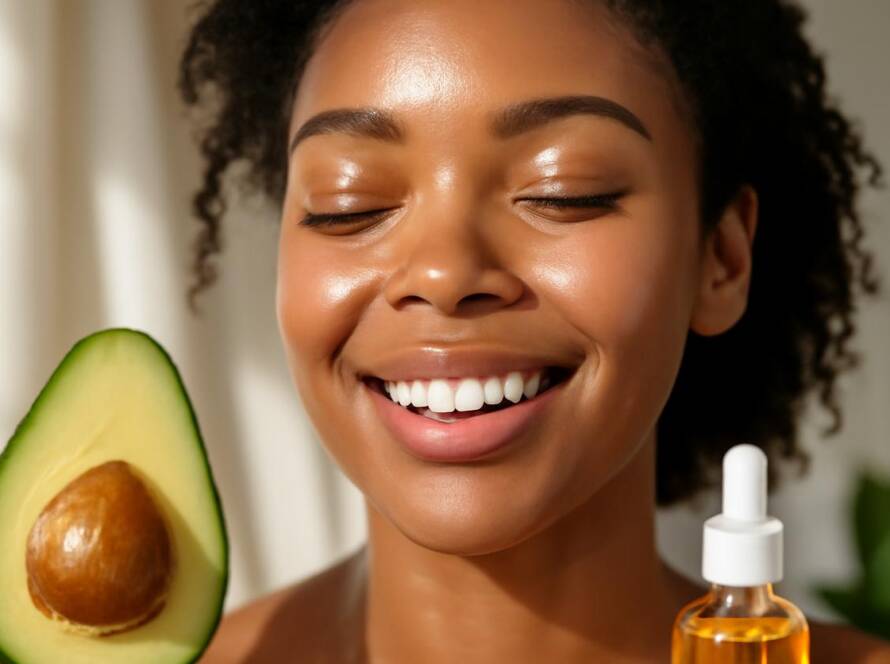
- Avocados: High in healthy fats and a good source of Vitamin E, an important antioxidant that helps protect skin from oxidative damage.
- Walnuts and Sunflower Seeds: Provide essential fatty acids, zinc, and Vitamin E.
- Berries and Citrus Fruits: Packed with Vitamin C, which is essential for collagen production and acts as a powerful antioxidant.
- Leafy Greens (Spinach, Kale): Full of vitamins and antioxidants that support overall skin health.
Research confirms the strong link between diet and skin. Certain vitamins are essential for healthy skin, particularly Vitamins A, C, and E, which protect and repair skin cells.
Hydration and Sleep: Underrated Radiance Boosters
Sometimes the simplest habits have the biggest impact. Getting enough water and quality sleep are fundamental pillars for achieving and maintaining glowing skin.
Hydration is key. When you are dehydrated, your skin can look dull, dry, and fine lines can appear more prominent. Drinking an adequate amount of water throughout the day helps keep your skin cells plump and functioning optimally, contributing to a smoother, more radiant appearance.
Sleep is when your body goes into repair mode. During deep sleep, your body increases blood flow to the skin and rebuilds its collagen and elastin. Consistently getting 7-9 hours of quality sleep per night can lead to a stronger skin barrier, reduced under-eye circles, and a healthier overall complexion. It’s not called “beauty sleep” for nothing!
Targeted Approaches for Common Concerns
Even with a great routine, you may face specific challenges. Here’s how to tweak your approach for common issues that can stand in the way of glowing skin.
- For Acne Marks (Post-Inflammatory Hyperpigmentation): These dark spots left behind after a blemish has healed can be stubborn. Incorporate ingredients like Niacinamide and Vitamin C to help fade discoloration. Retinoids also speed up cell turnover, which helps lift the pigmented cells. Most importantly, strict daily sunscreen use prevents the marks from getting darker.
- For Uneven Texture: If your skin feels rough or bumpy, gentle and consistent exfoliation is your best friend. Chemical exfoliants like AHAs (glycolic acid, lactic acid) are fantastic for smoothing the skin’s surface. Retinoids are also highly effective at refining skin texture over time.
- For Sensitivity and Redness: Sensitive skin requires a “less is more” approach. Focus on strengthening your skin barrier with ingredients like ceramides, panthenol, and niacinamide. Avoid harsh active ingredients, and always patch-test new products before applying them to your face.
At-Home Remedies That Are Safe and Supported by Evidence
You don’t always need a fancy product to support your skin. Some of the most effective remedies can be found in your pantry, and many are supported by scientific evidence. Studies have explored the benefits of various natural skin care remedies.
Here are a few safe options to try:
- Colloidal Oatmeal Mask: Ground oatmeal is a well-known skin soother. Its anti-inflammatory and antioxidant properties can help calm irritated or sensitive skin. Mix it with water to form a paste, apply for 10-15 minutes, and rinse.
- Green Tea Compresses: The polyphenols in green tea have powerful antioxidant and anti-inflammatory effects. Steep a green tea bag, let it cool completely, and use it as a gentle compress to reduce redness and puffiness.
- Raw Honey (especially Manuka): Honey is a natural humectant (it draws in moisture) and has antibacterial properties. Applying a thin layer as a mask for 15 minutes can help hydrate the skin and may be beneficial for mild breakouts.
Always patch-test these remedies first, just as you would with any new product.
When to Consider Professional Treatments and What to Expect
While a consistent home routine is the foundation of glowing skin, sometimes you might want to accelerate your results or address more persistent concerns. This is when consulting a board-certified dermatologist is a great next step. For trusted information, you can always consult organizations like the American Academy of Dermatology.
Popular professional treatments for enhancing radiance in 2026 and beyond include:
- Chemical Peels: A professional-grade application of acids that deeply exfoliates the skin, revealing a much brighter and smoother complexion. They can target concerns like hyperpigmentation, fine lines, and texture.
- Microneedling: This procedure uses fine needles to create controlled micro-injuries in the skin, which stimulates the body’s natural collagen and elastin production. An evidence review on microneedling shows its effectiveness in improving skin texture and tone.
- Light and Laser Therapies: Treatments like IPL (Intense Pulsed Light) or Fraxel lasers can target pigmentation, reduce redness, and improve overall skin tone and texture with high precision.
A professional can help you choose the right treatment for your specific skin type and goals, ensuring a safe and effective experience.
Myths and Quick Fixes to Avoid on Your Journey to Glowing Skin
The skincare world is full of misinformation. Steering clear of these common myths will save you time, money, and potential skin irritation.
- Myth: You need a 10-step routine.
Reality: A simple, consistent routine with a few effective products is far better than a complicated one you can’t stick to. Cleanse, moisturize, and protect—that’s the core. - Myth: If it tingles, it’s working.
Reality: While some active ingredients can cause a mild, temporary tingling, a persistent stinging or burning sensation is a sign of irritation, not efficacy. It means your skin barrier is being compromised. - Myth: You can shrink your pores.
Reality: Pore size is largely determined by genetics. You can’t make them smaller, but you can make them *appear* smaller by keeping them clean with ingredients like salicylic acid and niacinamide. - Myth: Natural is always better.
Reality: Many natural ingredients are wonderful, but some, like essential oils or citrus juices, can be highly irritating. “Clinically tested” is often a better indicator of safety and efficacy than “natural.”
Practical 7-Day Plan to Restore Your Glow
Need a reset? This simple 7-day plan focuses on rehydrating, soothing, and nourishing your skin to kickstart your journey to a healthy glow. This isn’t a quick fix, but a way to build healthy habits.
| Day | Morning Focus | Evening Focus |
|---|---|---|
| Day 1-2 | Gentle cleanse, hydrating serum (hyaluronic acid), moisturizer, SPF. | Double cleanse, hydrating serum, and a rich moisturizer. No exfoliants. |
| Day 3 | Standard routine. | Introduce a gentle chemical exfoliant (e.g., lactic acid) after cleansing. Follow with moisturizer. |
| Day 4 | Standard routine. | Focus on nourishment. After cleansing, use a hydrating sheet mask or an oatmeal mask. |
| Day 5 | Standard routine. | Back to basics: double cleanse, hydrating serum, and moisturizer. Give your skin a rest. |
| Day 6 | Standard routine. | You can use your gentle exfoliant again if your skin feels ready. Listen to your skin! |
| Day 7 | Standard routine. | Nourish again with a calming, hydrating mask. Assess your skin’s progress. |
Throughout the week, prioritize drinking plenty of water, eating whole foods, and getting adequate sleep.
FAQ: Common Reader Questions Answered
How long does it take to get glowing skin?
While you may see an initial boost in hydration and plumpness within a week, true and lasting changes take time. A full skin cell turnover cycle is about 28-40 days. For results from ingredients like retinoids or for fading dark spots, give it at least 3-6 months of consistent use.
Can I achieve glowing skin overnight?
You can certainly wake up with more hydrated and less puffy skin after a good night’s sleep and a solid evening routine. However, a sustainable, healthy glow is the result of consistent, long-term habits, not a single overnight fix.
Do I need to spend a lot of money on products for glowing skin?
Absolutely not. Many affordable, drugstore brands offer fantastically formulated products with effective, science-backed ingredients. The price tag doesn’t determine a product’s quality; the formulation does. Focus on key ingredients rather than brand names or fancy packaging.
Resources and Further Reading
For those who want to dive deeper, here are some excellent, evidence-based resources:
- Professional Skin Care Advice: The American Academy of Dermatology provides expert advice on a wide range of skin conditions and treatments.
- Vitamins and Skin Health: This scholarly article from PubMed explores the crucial roles various vitamins play in skin health.
- Nutrition for Skin: Harvard’s School of Public Health offers a great resource on the best foods for healthy skin.
- Evidence on Natural Remedies: A scientific review on the role of natural ingredients in dermatology from the National Center for Biotechnology Information.
- Microneedling Efficacy: For those considering professional treatments, this microneedling evidence review provides a summary of its effectiveness.
Conclusion: Sustainable Habits for a Long-Term Glow
Achieving genuinely glowing skin is not about finding a single magic product; it’s about building a holistic and sustainable lifestyle. It’s a journey of understanding and respecting your skin’s natural processes. By embracing a consistent daily routine, nourishing your body from the inside out, protecting your skin from the sun, and getting enough rest, you empower your skin to be its healthiest self.
Remember to be patient and kind to your skin. Progress, not perfection, is the goal. The radiant, healthy glow you’re seeking is the beautiful result of consistent care and a commitment to overall well-being.