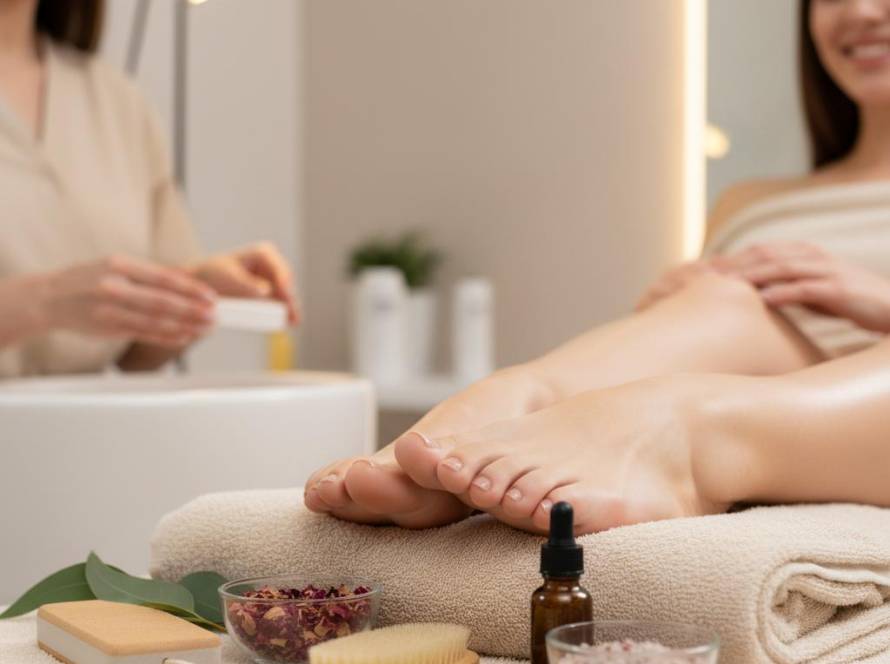

Why a Pedicure Is More Than Cosmetics
Often seen as a purely aesthetic treatment, a pedicure is, in fact, a crucial practice for maintaining foot health. Our feet bear the weight of our entire body, and regular care can prevent a host of problems. A proper pedicure is a preventive health measure that helps manage calluses, prevent ingrown toenails, and identify potential issues like fungal infections or bunions early on. Beyond the physical benefits, the ritual of an at-home pedicure offers a dedicated moment for self-care, reducing stress and promoting relaxation. It’s an opportunity to connect with your body and give your hardest-working parts the attention they deserve, ensuring they remain healthy, strong, and comfortable.
Preparing Your Space and Supplies
Creating a serene and hygienic environment is the first step toward a successful at-home pedicure. Choose a comfortable, well-lit space where you can sit without straining your back. Lay down a towel to protect surfaces from water and product spills. The key to a safe pedicure is preparation, which means having all your sterilized tools and materials ready before you begin. This avoids scrambling for supplies with wet feet and ensures a smooth, relaxing experience from start to finish.
Hygiene and Tool Care
Proper sanitation is non-negotiable for a safe pedicure. Without it, you risk introducing bacteria and causing infections. Before and after every single use, your tools must be thoroughly cleaned and disinfected. Follow these simple steps:
- Clean: Wash all non-porous tools (like metal clippers and files) with soap and warm water, using a small brush to scrub away any debris.
- Disinfect: Submerge the cleaned tools in a 70% to 90% isopropyl alcohol solution for at least 10 minutes.
- Dry: Allow the tools to air dry completely on a clean towel before storing them.
- Replace Porous Tools: Items like pumice stones, emery boards, and orange sticks can harbor bacteria and should be replaced regularly or designated for single-person use. Never share these items.
Materials Checklist for a Safe Session
Gathering your supplies beforehand makes the entire pedicure process seamless. Here is a comprehensive checklist for a health-focused at-home pedicure:
| Category | Items |
|---|---|
| Soaking | A basin or tub large enough for both feet, warm water, Epsom salts or a gentle foot soak, a clean towel. |
| Nail Care | Toenail clippers, a glass or crystal nail file, a soft nail brush, cuticle pusher or orange stick. |
| Skin Care | Pumice stone or foot file, a gentle foot scrub (store-bought or homemade), a rich foot cream or natural oil (like coconut or jojoba). |
| Finishing (Optional) | Cotton pads, nail polish remover (non-acetone is gentler), base coat, nail polish, top coat, toe separators. |
| Hygiene | Isopropyl alcohol for tool disinfection. |
Step by Step At-Home Pedicure Routine
Follow this detailed guide for a comprehensive and safe pedicure that prioritizes the health of your feet and nails. Each step is designed to be gentle yet effective, ensuring you get spa-quality results without the risks.
Soaking and Softeners
Begin by removing any old nail polish with a non-acetone remover. Fill your basin with warm (not hot) water and add your chosen softener. Epsom salts are an excellent choice as they help soothe sore muscles and reduce inflammation. You can also add a few drops of an essential oil like tea tree for its antifungal properties or lavender for relaxation. Soak your feet for 10 to 15 minutes. This process softens the skin, nails, and cuticles, making them easier and safer to work with. Avoid soaking for too long, as this can over-hydrate and weaken your nails.
Nail Trimming and Shaping Techniques
After soaking, pat your feet dry with a clean towel. Use a high-quality, straight-edged toenail clipper. To prevent painful ingrown toenails, always cut your nails straight across. Do not cut them too short or round the corners aggressively. The top of your nail should be roughly even with the tip of your toe. After clipping, use a gentle file (crystal or glass files are recommended as they are less likely to cause splitting) to smooth any rough edges. File in one direction, not in a back-and-forth sawing motion, to protect the nail’s integrity.
Cuticle Care Without Damage
The cuticle is a natural barrier that protects your nail matrix from infection. Therefore, it is crucial to never cut your cuticles. Instead, after your foot soak, apply a drop of cuticle oil or a natural oil like jojoba to the base of each nail. Use a wooden orange stick or a soft-tipped cuticle pusher to gently push the softened skin back. This creates a clean, neat appearance without compromising the health of your nails.
Callus Management and Exfoliation
Calluses are areas of thickened skin that form to protect your feet from friction and pressure. While some level of callus is protective, excessive buildup can become uncomfortable. After soaking, use a pumice stone or a gentle foot file on damp skin to carefully reduce thick areas. Use light, gentle strokes and avoid aggressive scrubbing, which can damage the skin. Follow up with a foot scrub to exfoliate the rest of your feet, paying attention to heels and the balls of your feet. This removes dead skin cells and improves circulation.
Moisturizing and Massage Methods
Hydration is key to soft, healthy feet. Apply a generous amount of a thick foot cream or natural oil. Take this opportunity to give yourself a foot massage, which is a wonderful conclusion to your pedicure. Use your thumbs to apply firm, circular pressure to the soles of your feet. Gently pull on each toe and massage the ankle area. This not only helps the moisturizer absorb but also relieves tension, improves blood flow, and promotes overall relaxation.
Polish Alternatives and Drying Tips
If you choose to apply polish, start with a clean, dry nail surface. Wipe each nail with a cotton pad soaked in rubbing alcohol to remove any oils. Apply a base coat to protect your nails from staining and help the polish adhere. Follow with two thin coats of your chosen color, allowing each coat to dry for a few minutes. Finish with a top coat to add shine and durability. For a natural look, you can skip the color and simply buff your nails to a healthy shine. Give your nails ample time to dry completely—at least 30-60 minutes—to avoid smudges.
Natural Ingredients That Help Foot Health
You don’t need expensive products for an effective pedicure. Many beneficial ingredients are likely already in your kitchen or garden. Incorporating them into your routine can enhance the health benefits of your foot care.
- Epsom Salt (Magnesium Sulfate): Ideal for foot soaks, it helps reduce swelling, ease muscle aches, and soften skin.
- Apple Cider Vinegar: A small amount in your foot soak can help balance skin pH and has mild antifungal properties.
- Tea Tree Oil: A powerful natural antiseptic and antifungal, perfect for adding to soaks or carrier oils to help prevent infections.
- Coconut Oil: An excellent natural moisturizer that is easily absorbed and has antimicrobial properties. Use it for your foot massage.
* Oatmeal and Sugar: Combine either with a carrier oil like olive or coconut oil to create a simple, effective, and gentle exfoliating scrub.
Common Problems and Simple Solutions
Regular at-home pedicures can help you spot and manage common foot issues before they become serious. However, it’s important to handle them correctly to avoid making things worse.
Identifying When an Issue Needs Professional Attention
While a DIY pedicure can manage many minor concerns, certain conditions require professional medical care. You should consult a doctor or a podiatrist (foot specialist) if you experience any of the following:
- Signs of Infection: Redness, swelling, pus, or increased pain around a nail could indicate an infection that needs medical treatment.
- Ingrown Toenails: If a toenail is deeply ingrown, painful, or shows signs of infection, do not attempt to fix it yourself.
- Persistent Fungal Infections: If over-the-counter treatments for toenail fungus are not effective, a doctor can prescribe stronger medications.
- Warts or Suspicious Growths: Any new or changing growths on your feet should be evaluated by a healthcare professional.
- Pain from Bunions or Hammertoes: A podiatrist can offer solutions to manage pain and prevent these conditions from worsening.
- Diabetic Foot Concerns: Individuals with diabetes should be extremely cautious with at-home foot care and have regular check-ups with a podiatrist due to higher risks of infection and complications.
Weekly and Seasonal Maintenance Plan
Consistency is the foundation of long-term foot health. A structured maintenance plan ensures your feet stay in top condition throughout the year. For a 2026 self-care strategy and beyond, consider adopting a routine that adapts to seasonal needs.
- Weekly: Perform a mini-pedicure. This includes a quick soak, gentle exfoliation with a scrub, and thorough moisturizing. Check your nails for any issues and smooth any rough edges with a file.
- Bi-weekly or Monthly: Conduct a full pedicure as outlined in the step-by-step guide. This includes nail trimming, cuticle care, and callus management.
- Seasonal Adjustments: In the summer, when you’re more likely to be in sandals, focus on exfoliation and keeping heels smooth. In the winter, prioritize deep moisturizing to combat dry, cracked skin caused by indoor heating and closed-toe shoes.
Sustainable Practices and Tool Storage
Incorporating eco-friendly habits into your pedicure routine is both responsible and rewarding. Opt for reusable tools like glass nail files and metal cuticle pushers over disposable ones. When possible, create your own scrubs and soaks using natural ingredients to reduce packaging waste. Store your clean, dry tools in a dedicated, breathable pouch or a clean, dry container. Proper storage prevents contamination and extends the life of your tools, ensuring they are always ready for your next safe and relaxing pedicure session.
Frequently Asked Questions
How often should I get a pedicure?
A full pedicure is recommended every 4 to 6 weeks. However, weekly moisturizing and gentle exfoliation can help maintain foot health between full sessions.
Is it safe to cut my own cuticles?
No, cutting cuticles is not recommended. It can lead to infections and damage the nail bed. Instead, gently push them back after they have been softened in a soak.
What is the best way to deal with hard calluses?
The safest method is to soak your feet and then use a pumice stone or foot file with gentle, consistent pressure. Avoid sharp tools or blades, as they can easily cause injury and infection.
Why do my toenails turn yellow?
Yellowing can be caused by frequent use of dark nail polish without a base coat, or it can be a sign of a fungal infection. If the nail is also thick or brittle, it’s best to consult a doctor.
Further Reading and Resources
For more in-depth, evidence-based information on foot and nail health, we recommend these trusted sources:
- American Academy of Dermatology (AAD): Offers comprehensive advice on nail care tips and common concerns.
- National Health Service (NHS): Provides reliable foot care guidance for a variety of common issues.