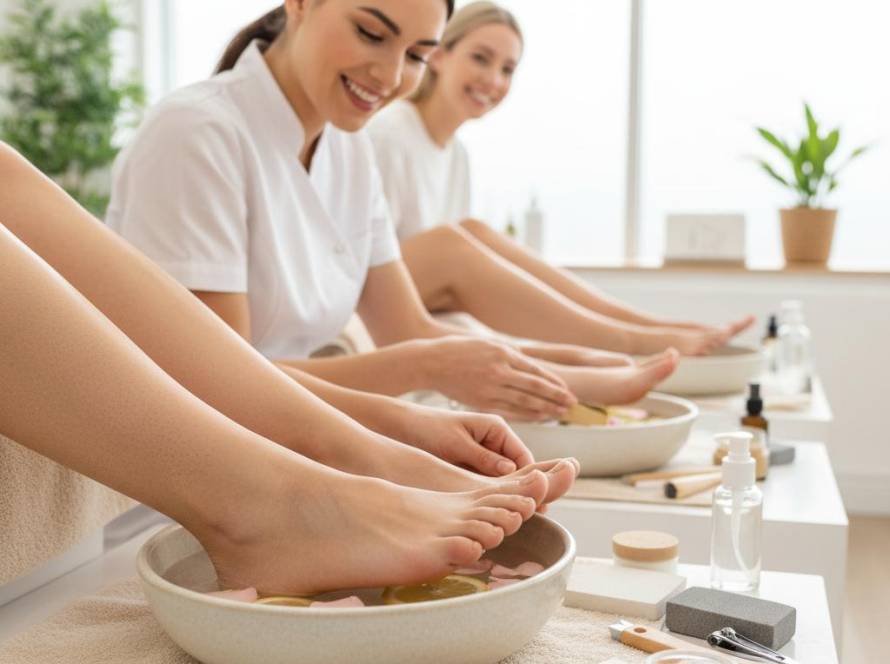

Introduction: Why a Health-First Pedicure Matters
When you think of a pedicure, you might picture colorful nail polish and a relaxing salon chair. While those are pleasant aspects, a true pedicure is much more than a cosmetic treatment. It is a fundamental practice of foot care that is crucial for your overall health and well-being. Your feet carry you through life, absorbing thousands of pounds of pressure every day. Giving them regular, focused attention through a proper pedicure can prevent painful problems, improve comfort, and even give you early warnings about your health. This guide will walk you through creating a health-first home pedicure routine that blends simple clinical hygiene with gentle, natural remedies for lasting foot comfort.
The Surprising Health Benefits of a Mindful Pedicure
Beyond aesthetics, a regular and correctly performed pedicure offers significant health advantages. Understanding these benefits can transform your foot care routine from a rare indulgence into an essential part of your self-care.
- Early Problem Detection: Regularly examining your feet during a pedicure allows you to spot issues like fungal infections, corns, bunions, and ingrown toenails before they become severe.
- Prevents Infections: Cleaning, trimming, and removing bacteria from your feet and toenails significantly reduces the risk of fungal and bacterial infections.
- Improves Circulation: The process of soaking, massaging, and exfoliating your feet stimulates blood flow, which is vital for reducing pain and distributing heat throughout your body.
- Promotes Mental Well-being: The act of a mindful pedicure is a form of self-care that can reduce stress and anxiety. The focused time and gentle massage can be incredibly relaxing and grounding.
- Maintains Healthy Skin: Exfoliation removes dead skin cells, preventing the buildup that leads to painful calluses and corns. Moisturizing keeps the skin hydrated, preventing cracks and fissures that can be painful and prone to infection.
Your Essential Pedicure Tools and Gentle Supplies Checklist
Having the right tools is the first step toward a successful and safe home pedicure. Invest in high-quality, personal tools to prevent cross-contamination. Always clean and disinfect your tools with rubbing alcohol before and after each use.
- Foot Soak Basin: A simple tub large enough for both feet.
- Toenail Clippers: Choose a straight-edged clipper to help prevent ingrown nails.
- Nail File or Emery Board: A glass or crystal file is gentle and durable.
- Pumice Stone or Foot File: For gently exfoliating calluses and rough skin.
- Cuticle Pusher: A wooden or rubber-tipped one is safest for home use.
- Gentle Foot Scrub: You can buy one or make your own (see our recipes below).
- Towels: One for drying your feet and one to place under your basin.
- Moisturizer or Foot Cream: A thick, nourishing cream is ideal.
- Cotton Pads and Rubbing Alcohol: For cleaning nails and tools.
- Optional: Epsom salts, essential oils (like tea tree or lavender), and a rich foot mask.
Preparing Your Feet and a Clean Workspace
Before you begin your pedicure, setting the stage is crucial for a relaxing and hygienic experience.
Sanitize Your Workspace and Tools
Choose a comfortable spot with good lighting. Lay down a towel to protect the surface and catch any spills. Wipe down your foot basin with an antibacterial cleaner. Most importantly, sterilize your tools. Soak your clippers, file, and cuticle pusher in rubbing alcohol for a few minutes and let them air dry completely.
Prepare Your Feet
If you are wearing nail polish, remove it completely with a non-acetone remover. Wash your feet thoroughly with soap and water to start with a clean canvas. This simple step removes surface dirt and bacteria, making your pedicure more effective.
The Step-by-Step Health-Focused Home Pedicure Routine
Follow these steps for a comprehensive pedicure that prioritizes the health of your feet and nails.
Step 1: The Therapeutic Soak
Fill your basin with warm (not hot) water. Hot water can strip your skin of its natural oils. Add a handful of Epsom salts to help soothe sore muscles and reduce inflammation. You can also add a few drops of an essential oil like lavender for relaxation or tea tree oil for its antifungal properties. Soak your feet for 10-15 minutes. This will soften the skin, nails, and cuticles, making the next steps easier and more effective.
Step 2: Gentle Exfoliation
After soaking, pat one foot dry. While the skin is still slightly damp but not wet, use a pumice stone or foot file on rough areas like your heels, the balls of your feet, and the sides of your big toes. Use gentle, back-and-forth motions. The goal is to remove dead skin, not raw, healthy skin. Avoid harsh metal graters, as they can cause injury and infection. Next, apply a foot scrub and massage it all over your feet and ankles in a circular motion to slough off remaining dead skin. Rinse and pat dry.
Step 3: Proper Nail Trimming and Filing
Use a straight-edged toenail clipper to trim your nails. Cut them straight across, and do not cut them too short. The corners should be left slightly square to prevent them from growing into the skin. After clipping, use a nail file to gently smooth the edges, filing in one direction to avoid splitting the nail.
Step 4: Moisturize and Massage
This is the most relaxing part of the pedicure. Apply a generous amount of a thick foot cream or natural oil (like coconut or olive oil) to your feet. Massage it in, paying special attention to your arches, heels, and each toe. This not only hydrates the skin but also boosts circulation and relieves tension.
Nourishing Your Feet: Natural Scrubs, Masks, and Oils
You can easily create effective foot treatments using ingredients from your kitchen. These natural remedies are free from harsh chemicals and provide deep nourishment.
DIY Foot Scrubs
- Sugar and Olive Oil Scrub: Mix half a cup of brown sugar with a quarter cup of olive oil. The sugar acts as a gentle exfoliant, while the olive oil provides intense moisture.
- Epsom Salt and Peppermint Scrub: Combine half a cup of Epsom salt with a quarter cup of coconut oil and a few drops of peppermint essential oil for a refreshing, invigorating scrub.
DIY Foot Masks
- Oatmeal and Honey Mask: Mix cooked oatmeal with a tablespoon of honey. Apply to your feet, leave on for 15 minutes, and rinse. Oatmeal is soothing, while honey is a natural humectant and has antibacterial properties.
- Avocado and Banana Mask: Mash half an avocado and one ripe banana together. This mask is packed with vitamins and fats that deeply moisturize dry, cracked skin.
Safe Nail Shaping and Gentle Cuticle Guidance
Proper nail and cuticle care is the cornerstone of a healthy pedicure. Aggressive techniques can lead to pain and infection.
Nail Shaping Best Practices
Always file your toenails to have a squoval (square-oval) shape. Avoid rounding the corners too much or filing them into a point. This shape is the most effective at preventing the nail edge from digging into the surrounding skin, which is the primary cause of ingrown toenails.
Gentle Cuticle Care
Your cuticles are a natural barrier that protects your nail matrix from bacteria. Never cut your cuticles. Cutting them can create tiny wounds that invite infection. Instead, after your foot soak, apply a drop of cuticle oil and use a soft, rubber-tipped or wooden cuticle pusher to gently push them back. Any loose bits of non-living tissue can be carefully nipped with clean cuticle nippers, but leave the living cuticle intact.
Addressing Common Foot Problems Safely
During your home pedicure, you might notice common issues. Here is how to approach them safely.
- Calluses: These are areas of thick, hard skin that build up due to friction. Regular, gentle exfoliation with a pumice stone is the best way to manage them. Avoid using sharp razors or callus shavers at home, as they can easily cause deep cuts and serious infections.
- Ingrown Nails: If you notice redness, swelling, or pain at the edge of a toenail, you may have an early-stage ingrown nail. Do not try to dig it out yourself. Ensure you are cutting your nails straight across. For persistent or painful cases, see a podiatrist.
- Fungal Concerns: If you see signs of a nail fungus (yellowing, thickening, or crumbly nails), do not apply nail polish, as this can trap moisture and worsen the condition. Consult a doctor or podiatrist for proper treatment.
When to Pause Your Pedicure and Seek Medical Advice
A home pedicure is for maintenance, not for medical treatment. You should see a podiatrist or your doctor if you experience any of the following:
- Signs of a serious infection, such as pus, red streaks, or intense pain and swelling.
- A painful or infected ingrown toenail.
- Warts or other unusual growths on your feet.
- Any foot injury or open sore that is not healing.
- If you have diabetes, poor circulation, or neuropathy, it is highly recommended to have your foot care, including your pedicure, managed by a professional podiatrist to avoid serious complications.
Your Foot Care Maintenance Plan for 2025 and Beyond
Consistency is key to long-term foot health. Future foot care strategies for 2025 and beyond will continue to emphasize proactive, health-focused routines over purely cosmetic ones. Here is a simple plan:
- Full Pedicure: Perform a complete, health-focused pedicure once every 3-4 weeks. This frequency allows your nails to grow properly and prevents over-exfoliation of the skin.
- Weekly Touch-up: Once a week, take a few minutes to gently file any rough spots on your heels and apply a deep moisturizer.
- Daily Care: Wash, dry, and moisturize your feet every day.
Myths and Facts About Pedicure Care
There are many misconceptions about foot care. Let’s clear up a few common ones.
| Myth | Fact |
|---|---|
| Cutting a “V” in the nail helps fix an ingrown toenail. | This is ineffective and does not change the way the nail grows. Proper trimming (straight across) is the best prevention. |
| Cutting cuticles is a necessary part of a clean pedicure. | Cutting cuticles removes a vital protective barrier and dramatically increases your risk of infection. They should only be gently pushed back. |
| You should use the same file for your hands and feet. | To prevent the spread of bacteria and fungus, you should always use separate tools for your manicure and pedicure. |
| Calluses should be completely removed. | A thin layer of callus is natural and protects the underlying skin. The goal is to smooth and reduce them, not eliminate them entirely. |
Quick Daily Habits for Healthy Feet
Small daily actions can make a huge difference in the health and comfort of your feet.
- Wash and Dry Thoroughly: Wash your feet daily with soap and water, and be sure to dry completely, especially between the toes, to prevent fungal growth.
- Moisturize Nightly: Apply a good foot cream before bed to keep skin soft and prevent cracking.
- Choose the Right Footwear: Wear comfortable, well-fitting shoes that provide adequate support and allow your feet to breathe.
- Rotate Your Shoes: Avoid wearing the same pair of shoes two days in a row to allow them to air out completely.
Frequently Asked Questions About Home Pedicures
How often should I do a home pedicure?
A full pedicure is best done every 3 to 4 weeks. You can perform smaller maintenance tasks, like moisturizing and light filing, weekly.
Can I give myself a pedicure if I have athlete’s foot?
It is best to treat the athlete’s foot with an appropriate anti-fungal treatment first. A pedicure could potentially spread the fungus. Focus on keeping feet clean and dry.
What is the best way to deal with very thick toenails?
Thickened toenails can be a sign of a fungal infection or other underlying health issues. While a gentle filing can help reduce the thickness, if they are difficult to trim or discolored, consult a podiatrist for a proper diagnosis and treatment plan.
Resource List and Further Reading
For more in-depth information on foot care and related topics, explore these helpful resources:
- Learn more about the fundamentals with these pedicure basics.
- Discover daily routines and expert advice with these foot care tips.
- Explore how to use household ingredients for beauty with these natural remedies for skin.
Conclusion: Building a Simple and Effective Foot Care Routine
Integrating a health-focused pedicure into your life is a powerful act of self-care. It moves beyond simple aesthetics to become a cornerstone of your personal wellness routine. By using clean tools, gentle techniques, and paying close attention to the needs of your feet, you can prevent common problems, improve your comfort, and maintain healthy, happy feet for years to come. Start with this simple, step-by-step guide and make your next home pedicure a truly beneficial and relaxing experience.