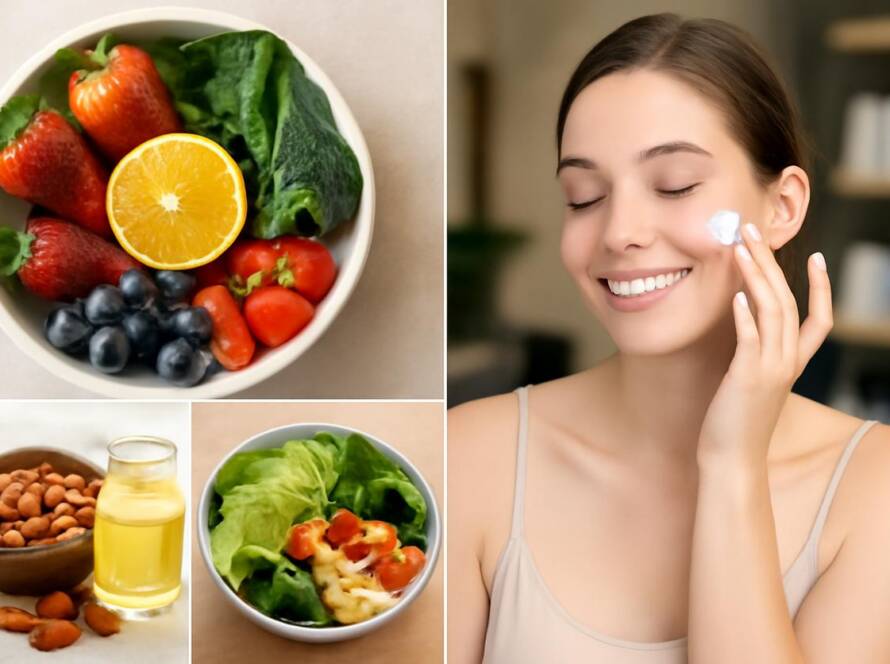

Your Ultimate Guide to Natural Skin Care Remedies
Welcome to the world of natural skin care remedies, where your kitchen and garden can become your greatest allies in achieving a healthy, radiant glow. Moving away from complex chemical formulations, many people are embracing the simplicity and gentle power of ingredients provided by nature. This guide is designed for beginners and enthusiasts alike, offering a comprehensive look at creating safe, effective, and low-waste skin care routines at home. We will explore the science behind popular ingredients, provide easy-to-follow recipes, and emphasize the safety-first approach that is crucial for any DIY endeavor.
Table of Contents
- Introduction to Gentle Natural Skin Care Remedies
- How Skin Types Influence Ingredient Choice
- Identifying Your Skin Type at Home
- The Evidence Behind Common Natural Ingredients
- Honey, Aloe Vera, and Oatmeal: Uses and Safety
- Plant Oils and Their Fatty Acid Profiles
- Botanical Extracts: Benefits and Limitations
- Essential Safety Notes and Allergy Checks
- DIY Recipes with Preservation and Hygiene Tips
- Recipe: Soothing Mask for Dry or Sensitive Skin
- Recipe: Balancing Toner for Oily or Combination Skin
- Weekly Treatment Schedule and Seasonal Swaps
- When to Pause DIY and Seek Professional Advice
- Quick Daily Checklist for Natural Skin Care
- Further Reading and Resources
Introduction to Gentle Natural Skin Care Remedies
Embracing natural skin care remedies is about more than just mixing ingredients; it’s a mindful approach to wellness. It involves understanding what your skin truly needs and sourcing gentle, effective solutions from the natural world. Unlike many commercial products that can contain harsh chemicals and synthetic fragrances, DIY remedies offer transparency and control. You know exactly what you are putting on your skin. The goal is not to chase fleeting trends but to build a sustainable, supportive routine that nurtures your skin’s long-term health. This journey empowers you to become your own skin care advocate, making informed choices that align with a more holistic lifestyle.
How Skin Types Influence Ingredient Choice
The foundation of any successful skincare routine, especially one built on natural skin care remedies, is understanding your unique skin type. An ingredient that works wonders for oily skin might cause congestion for dry skin, and a rich oil loved by dry skin could feel heavy and greasy on someone else. Recognizing your skin’s specific characteristics allows you to tailor your choices for optimal results.
- Dry Skin: Lacks natural oils (sebum) and often feels tight or flaky. It benefits from rich, nourishing ingredients like shea butter, avocado oil, and honey to lock in moisture.
- Oily Skin: Produces an excess of sebum, leading to a shiny appearance and potential for clogged pores. It needs lightweight, non-comedogenic ingredients like jojoba oil, witch hazel, and clay to balance oil production without stripping the skin.
- Combination Skin: Features a mix of oily areas (typically the T-zone: forehead, nose, and chin) and dry or normal areas (like the cheeks). This type requires a strategic approach, using different ingredients for different zones.
- Sensitive Skin: Reacts easily to new products or environmental factors, often showing redness, itching, or irritation. It requires soothing, anti-inflammatory ingredients like aloe vera, chamomile, and oatmeal.
- Normal Skin: Well-balanced, with minimal oiliness or dryness. The focus here is on maintenance and protection using a variety of gentle ingredients.
Identifying Your Skin Type at Home
Not sure what your skin type is? Try the simple “bare-face” method:
- Wash your face with a gentle cleanser and pat it dry.
- Do not apply any products—no serums, moisturizers, or toners.
- Wait for about 30-60 minutes and observe how your skin feels and looks.
- If it feels tight and appears flaky, you likely have dry skin.
- If you notice a noticeable shine on your forehead, nose, and chin, you likely have oily skin.
- If your T-zone is shiny but your cheeks feel tight or normal, you have combination skin.
- If your skin feels comfortable, hydrated, and not oily, you likely have normal skin.
- If your skin feels itchy, red, or irritated during this process, you likely have sensitive skin.
The Evidence Behind Common Natural Ingredients
While tradition and anecdotal evidence are valuable, it’s reassuring to know that many popular natural ingredients are backed by scientific research. Modern studies are increasingly validating the benefits that have been known in holistic practices for centuries. For those interested in a deeper dive, repositories like PubMed host a wealth of clinical studies on various botanicals and natural compounds.
Honey, Aloe Vera, and Oatmeal: Uses and Safety
These three ingredients are the superstars of at-home skincare for good reason. They are accessible, generally safe, and highly effective.
- Honey: A natural humectant, meaning it draws moisture from the air into your skin. Raw honey, particularly Manuka honey, also has proven antibacterial and anti-inflammatory properties, making it excellent for soothing acne-prone or irritated skin. Safety: Always use raw, unpasteurized honey for the best benefits. Ensure you are not allergic to honey or pollen.
- Aloe Vera: The gel from the aloe plant is rich in vitamins, enzymes, and amino acids. It is renowned for its soothing and hydrating properties, making it a go-to remedy for sunburns, redness, and general irritation. Safety: Use 100% pure aloe vera gel, as many store-bought products contain added alcohol or fragrances that can be irritating. If using a fresh plant, only use the clear inner gel, not the yellow latex.
- Oatmeal: Colloidal oatmeal (finely ground oats) is an emollient that calms and protects the skin. It contains compounds called avenanthramides, which have powerful anti-inflammatory and anti-itch effects. It is a fantastic ingredient for sensitive, dry, or eczema-prone skin. Safety: Use plain, uncooked oats ground into a fine powder. Avoid instant oatmeal packets, which contain sugar and other additives.
Plant Oils and Their Fatty Acid Profiles
Plant oils are excellent natural moisturizers, but not all oils are created equal. Their behavior on the skin is largely determined by their fatty acid profile, specifically the ratio of linoleic acid to oleic acid.
- High in Linoleic Acid: These oils are generally lighter, absorb quickly, and are great for oily or acne-prone skin. Examples include grapeseed oil, safflower oil, and rosehip seed oil.
- High in Oleic Acid: These oils are richer, more occlusive, and ideal for dry or mature skin. Examples include olive oil, avocado oil, and marula oil.
- Balanced Oils: Some oils have a more balanced profile, making them suitable for many skin types. Jojoba oil is a prime example, as its structure closely mimics the skin’s natural sebum.
Botanical Extracts: Benefits and Limitations
Botanicals like green tea, chamomile, and calendula can be incorporated into natural skin care remedies as infusions or extracts. Green tea is packed with antioxidants (EGCG) that can help protect the skin from environmental damage, while chamomile (containing bisabolol) and calendula are known for their calming effects. However, it’s important to have realistic expectations. The concentration of active compounds in a simple home infusion may be lower than in a professionally formulated cosmetic product. For more detailed information on specific botanicals, you can explore resources like the open access botanical reviews available online.
Your Safety-First DIY Guide
Creating your own skincare is rewarding, but safety must always come first. Your skin is a delicate organ, and introducing new substances, even natural ones, requires care and caution.
Essential Safety Notes and Allergy Checks
Before applying any new ingredient or DIY recipe to your entire face, you must perform a patch test. This simple step can prevent widespread irritation or an allergic reaction.
- Apply a small amount of the ingredient or mixture to a discreet area of skin, like the inside of your wrist or behind your ear.
- Leave it on for 24 hours (or as long as you would for a mask).
- If you experience any redness, itching, swelling, or burning, wash it off immediately and do not use the ingredient.
Always be mindful of potential allergies. If you have a known allergy to a plant or food (like nuts or pollen), avoid using related ingredients on your skin.
DIY Recipes: Preservation and Hygiene Tips
The beauty of homemade remedies is their freshness, but this also means they lack the preservatives found in commercial products. This makes them highly perishable and susceptible to bacteria, mold, and yeast growth.
- Work Clean: Always start with clean hands. Sanitize all your tools, bowls, and containers with hot, soapy water or rubbing alcohol.
- Make Small Batches: Only make enough of a product to last for a few uses. This minimizes the risk of spoilage. Water-based recipes (like toners or anything with aloe) are especially prone to contamination.
- Proper Storage: Store your water-based creations in the refrigerator and use them within a week. Oil-based mixtures without water (like body oils) are more stable but should still be stored in a cool, dark place.
- Avoid Contamination: Use a clean spoon or spatula to scoop out products from jars instead of your fingers to prevent introducing bacteria.
For more on ingredient safety, the FDA’s resources on cosmetic ingredients can provide valuable context.
Simple DIY Natural Skin Care Remedies
Here are two simple, effective recipes to get you started. Remember to perform a patch test first!
Recipe: Soothing Mask for Dry or Sensitive Skin
This mask is designed to hydrate, calm, and nourish parched or irritated skin.
- Ingredients:
- 2 tablespoons finely ground colloidal oatmeal
- 1 tablespoon raw honey
- 1 tablespoon plain, full-fat yogurt or mashed avocado
- Instructions:
- In a clean bowl, combine the oatmeal, honey, and yogurt (or avocado).
- Mix until you have a smooth, spreadable paste. Add a few drops of water if it’s too thick.
- Apply a thin layer to your clean face, avoiding the eye area.
- Leave on for 10-15 minutes.
- Rinse off with lukewarm water and gently pat your skin dry. Follow with your favorite moisturizer.
Recipe: Balancing Toner for Oily or Combination Skin
This simple toner helps to balance sebum production and soothe inflammation without over-drying the skin.
- Ingredients:
- 1/2 cup of brewed and cooled green tea
- 1 tablespoon of alcohol-free witch hazel
- Optional: 2 drops of tea tree essential oil (use with extreme caution and only if you are not sensitive)
- Instructions:
- Brew a strong cup of green tea and let it cool completely.
- In a clean, small spray bottle or jar, combine the green tea and witch hazel.
- If using, add the tea tree oil and shake well to combine.
- After cleansing, apply the toner to your face with a reusable cotton pad or spritz it directly onto your skin.
- Store in the refrigerator and use within 5-7 days.
Building Your Natural Skincare Routine
Consistency is key. A routine doesn’t have to be complicated to be effective. Focus on a few core steps and incorporate treatments as needed.
Weekly Treatment Schedule and Seasonal Swaps
A balanced weekly schedule might look like this:
- Daily (AM and PM): Gentle cleanser, toner (optional), moisturizer.
- AM Daily: Sunscreen is non-negotiable. Natural remedies do not protect you from UV damage. Refer to official sun protection guidance for best practices.
- 2-3 Times Per Week: Gentle exfoliation (e.g., a scrub with finely ground oats or almonds).
- 1-2 Times Per Week: A treatment mask tailored to your skin’s current needs (hydrating, clarifying, etc.).
Your skin’s needs will also change with the seasons. A smart strategy for 2025 and beyond is to practice seasonal swapping. In the winter, you might switch to a richer oil like avocado oil and use hydrating masks more frequently. In the summer, you might opt for a lighter oil like grapeseed and use a clay-based mask to manage excess oil.
When to Pause DIY and Seek Professional Advice
While natural skin care remedies are wonderful for general maintenance and mild concerns, they are not a substitute for professional medical advice. It is time to pause your DIY experiments and consult a board-certified dermatologist if you experience:
- Persistent or severe acne (cystic or nodular)
- A rash, hives, or skin condition that doesn’t improve or worsens
- Signs of a skin infection (pain, swelling, pus)
- Any new or changing moles or skin lesions
- A suspected allergic reaction
A professional can provide an accurate diagnosis and recommend appropriate medical treatments that work in harmony with a gentle skincare philosophy.
Quick Daily Checklist for Natural Skin Care
Use this simple checklist to stay on track with your daily routine.
- Cleanse Gently: Use a mild cleanser or simply rinse with water in the morning.
- Hydrate Inside and Out: Drink plenty of water and apply a moisturizer suited to your skin type.
- Protect Your Skin: Apply a broad-spectrum sunscreen with at least SPF 30 every single day.
- Listen to Your Skin: Pay attention to how it feels. If it’s irritated, simplify your routine. If it’s dry, add more moisture.
- Be Patient: Natural changes take time. Consistency will yield better results than frequent, drastic changes.
Further Reading and Resources
Your journey into the world of natural skin care has just begun! To continue learning and making informed decisions, explore these reliable sources:
- For Clinical Studies: The National Library of Medicine (PubMed) is an excellent database for finding research papers on the efficacy of various natural ingredients.
- For Botanical Information: PubMed Central (PMC) offers a vast archive of open-access, full-text biomedical and life sciences journal literature.
- For Ingredient Safety: The U.S. Food and Drug Administration (FDA) provides information on how cosmetic ingredients are regulated and reviewed for safety.
- For Sun Safety: The Centers for Disease Control and Prevention (CDC) offers essential guidance on sun protection and skin cancer prevention.
By combining nature’s wisdom with a mindful, evidence-based approach, you can create a fulfilling and effective skincare practice that supports your skin’s health for years to come.