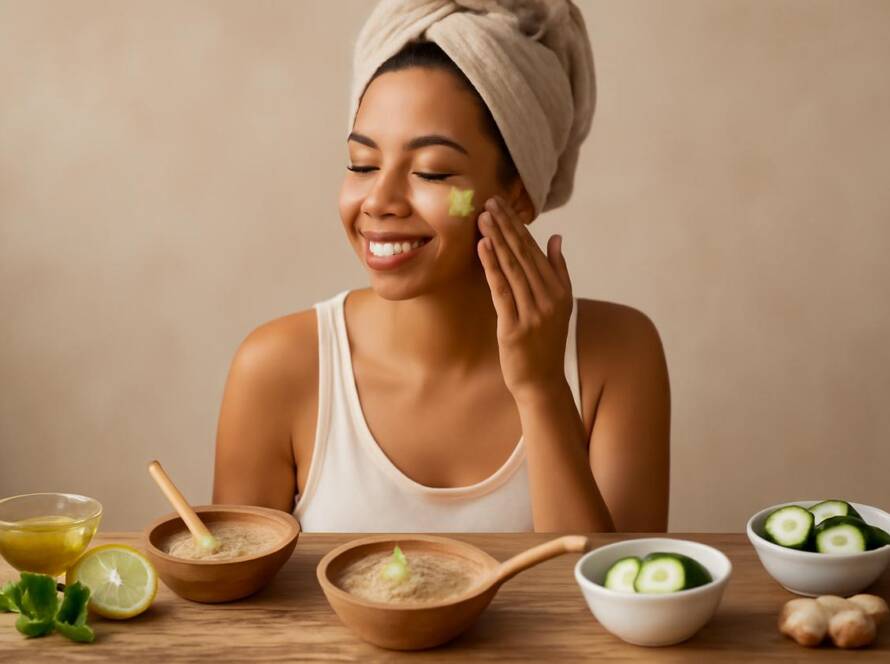

Your Ultimate Guide to Natural Skin Care Remedies: Recipes and Routines for 2025
Welcome to your complete guide to embracing the power of nature for your skin. If you are tired of complex ingredient lists and want to take a more hands-on, gentle approach, exploring natural skin care remedies is a fantastic first step. This guide is designed for beginners and home enthusiasts, providing you with safe, effective, and evidence-focused recipes you can create right in your kitchen. We will demystify the science behind common ingredients and empower you to customize routines that make your skin glow.
Table of Contents
- Introduction: Why Gentle Natural Care Matters
- How to Determine Your Skin Type at Home
- Safety First: Patch Tests, Allergies, and Ingredient Purity
- Top Natural Ingredients and What They Do
- Quick Daily Routines for Morning and Evening
- Five DIY Masks and How to Adapt Them by Skin Type
- Remedies for Common Issues: Dryness, Redness, and Acne-Prone Skin
- Ingredient Swaps and Concentration Guidelines
- Storage, Shelf Life, and Hygiene for Homemade Blends
- When to Seek Professional Advice
- Evidence Roundup: Research Summaries for Key Ingredients
- Frequently Asked Questions
- Conclusion and Quick Reference Recipe Card
Introduction: Why Gentle Natural Care Matters
In an world of ever-expanding cosmetic options, turning to natural skin care remedies offers a sense of control and simplicity. It is about understanding what you are putting on your skin and harnessing the gentle yet potent benefits of ingredients that have been used for centuries. This approach is not about rejecting modern science but rather integrating its principles with the wisdom of nature. By creating your own products, you can avoid potential irritants, customize formulas for your unique needs, and connect with your self-care practice on a deeper level.
How to Determine Your Skin Type at Home
Before you begin mixing, knowing your skin type is crucial. The right ingredients for oily skin can be problematic for dry skin, and vice versa. Here is a simple, effective method to identify your type.
The Bare-Faced Method
- Cleanse: Wash your face with a gentle, neutral cleanser and pat it dry with a soft towel. Do not apply any serums, moisturizers, or toners.
- Wait: Let your skin rest for about 60 minutes. During this time, your skin will return to its natural state.
- Observe: Look closely at your skin in a mirror. How does it feel?
- Dry: Your skin feels tight, and you may see some flakiness. It looks matte.
- Oily: You notice a visible shine on your cheeks, nose, and forehead. Your skin feels greasy to the touch.
- Combination: Your T-zone (forehead and nose) is shiny, but your cheeks feel tight or normal.
- Normal: Your skin feels comfortable, balanced, and is neither tight nor greasy.
- Sensitive: Your skin may appear red or feel itchy and reactive. This can accompany any of the other skin types.
Understanding your starting point will help you select the most effective natural skin care remedies for a balanced complexion.
Safety First: Patch Tests, Allergies, and Ingredient Purity
Just because an ingredient is natural does not mean it is suitable for everyone. Allergies and sensitivities can occur with any substance, including those from your kitchen. Prioritizing safety is non-negotiable.
The Essential Patch Test
Before applying any new ingredient or mixture to your face, you must perform a patch test. This simple step can prevent widespread irritation or an allergic reaction.
- Apply a small amount of the new ingredient or remedy to a discreet area of skin, like your inner elbow or behind your ear.
- Leave it on for at least 24 hours (unless it starts to burn or itch, in which case you should wash it off immediately).
- If you see no redness, swelling, or irritation after 24 hours, the ingredient is likely safe for you to use.
Choosing Quality Ingredients
The effectiveness of your homemade remedies depends on the quality of your ingredients. Always opt for:
- Freshness: Use fresh fruits, vegetables, and dairy. Avoid anything that is past its prime.
- Purity: Choose raw, unfiltered honey, cold-pressed oils, and 100% pure aloe vera gel. Additives and preservatives can cause irritation.
- Organic: When possible, select organic ingredients to minimize exposure to pesticides.
Top Natural Ingredients and What They Do
Your kitchen is a treasure trove of skin-loving ingredients. Here are a few superstars and their science-backed benefits.
A Quick Guide to Kitchen Superstars
| Ingredient | Key Benefit | Best For Skin Types |
|---|---|---|
| Raw Honey | Antibacterial, Humectant (draws in moisture) | All, especially acne-prone and dry |
| Colloidal Oatmeal | Anti-inflammatory, Soothing | Sensitive, dry, irritated |
| Plain Yogurt | Lactic Acid (gentle exfoliation) | Dull, combination, oily |
| Green Tea (brewed and cooled) | Antioxidant, Anti-inflammatory | All, especially sensitive and aging |
| Avocado | Nourishing Fatty Acids, Vitamin E | Dry, mature |
| Turmeric Powder | Anti-inflammatory, Brightening | Dull, acne-prone (use sparingly to avoid staining) |
| Aloe Vera Gel | Hydrating, Soothing | All, especially sunburned or irritated |
Quick Daily Routines for Morning and Evening
Consistency is more important than complexity. A simple daily routine helps maintain your skin’s health and balance.
Morning Radiance Routine (Under 5 Minutes)
- Cleanse: Splash your face with lukewarm water. For a deeper clean, gently massage a teaspoon of raw honey onto damp skin and rinse.
- Tone: Spritz your face with pure rosewater or cooled green tea to balance pH and reduce redness.
- Moisturize: While your skin is still damp, apply 2-3 drops of a carrier oil like jojoba or sweet almond oil to lock in hydration.
Evening Wind-Down Routine
- First Cleanse (if wearing makeup/sunscreen): Gently massage a teaspoon of jojoba or olive oil onto your dry face to dissolve impurities. Wipe away with a warm, damp cloth.
- Second Cleanse: Follow with a honey or oatmeal cleanse to wash away any remaining residue.
- Tone: Apply your toner of choice.
- Moisturize: Apply a slightly more generous amount of your chosen oil to nourish your skin overnight.
Five DIY Masks and How to Adapt Them by Skin Type
Face masks are potent natural skin care remedies that deliver a concentrated dose of nutrients. Apply to a clean face, leave on for 10-15 minutes, and rinse with lukewarm water. Use 1-2 times per week.
1. The Hydrating Avocado and Honey Mask (for Dry Skin)
- Ingredients: 1/4 ripe avocado, 1 teaspoon raw honey.
- Instructions: Mash the avocado until smooth and stir in the honey.
- Why it works: Avocado provides deep nourishment with fatty acids, while honey draws moisture into the skin.
- Adaptation: For extra dry skin, add 1/2 teaspoon of olive oil.
2. The Soothing Oatmeal and Yogurt Mask (for Sensitive Skin)
- Ingredients: 2 tablespoons colloidal oatmeal, 2 tablespoons plain yogurt.
- Instructions: Mix ingredients into a smooth paste. Let it sit for a minute to thicken.
- Why it works: Oatmeal contains avenanthramides, potent anti-inflammatory compounds that calm redness and itching. Yogurt’s lactic acid provides gentle exfoliation without irritation.
- Adaptation: For extra calming, add 1 teaspoon of cooled chamomile tea.
3. The Clarifying Clay and Tea Tree Oil Mask (for Oily/Acne-Prone Skin)
- Ingredients: 1 tablespoon bentonite or kaolin clay, 1-2 drops of tea tree essential oil, enough water or witch hazel to form a paste.
- Instructions: In a non-metal bowl, mix the clay with water until smooth. Add the tea tree oil and stir.
- Why it works: Clay absorbs excess sebum and impurities from pores, while tea tree oil provides antibacterial properties.
- Adaptation: For combination skin, apply only to the T-zone.
4. The Brightening Turmeric and Lemon Mask (for Dull Skin)
- Ingredients: 1 teaspoon turmeric powder, 1 tablespoon plain yogurt, 1/2 teaspoon lemon juice.
- Instructions: Mix all ingredients into a paste.
- Why it works: Turmeric helps even out skin tone, while lemon juice (rich in Vitamin C) brightens. The yogurt base provides a buffer against irritation.
- Adaptation: If you have sensitive skin, swap the lemon juice for a teaspoon of honey.
5. The Balancing Green Tea and Aloe Vera Mask (for Combination Skin)
- Ingredients: 1 tablespoon aloe vera gel, 1 teaspoon matcha or cooled strong green tea.
- Instructions: Whisk the ingredients together. The consistency will be thin; apply carefully.
- Why it works: Green tea’s antioxidants protect the skin, while aloe vera hydrates dry areas without adding grease to oily spots.
- Adaptation: Add 1/2 teaspoon of jojoba oil for a more moisturizing effect on dry patches.
Remedies for Common Issues: Dryness, Redness, and Acne-Prone Skin
Target specific concerns with these simple applications.
Calming Dryness and Flakiness
Gently massage a few drops of jojoba oil or sweet almond oil onto damp skin twice daily. These oils closely mimic the skin’s natural sebum, providing effective moisturization without feeling heavy.
Soothing Redness and Irritation
Brew a strong cup of chamomile tea, let it cool completely, and use it as a facial rinse or a compress. Its anti-inflammatory properties can help calm visible redness.
Managing Breakouts Naturally
For an individual pimple, a spot treatment can be effective. Mix a small amount of raw honey with a tiny dash of turmeric or a drop of properly diluted tea tree oil. Apply to the spot for 15-20 minutes before rinsing.
Ingredient Swaps and Concentration Guidelines
Flexibility is key in DIY skincare. If you are missing an ingredient, a smart swap can save your recipe.
- Oils: If a recipe calls for jojoba oil, you can often substitute with grapeseed oil (for oily skin) or avocado oil (for dry skin).
- Liquids: Water can often be replaced with rosewater, witch hazel, or cooled herbal teas for added benefits.
- Exfoliants: If you do not have yogurt, you can use kefir or buttermilk for their lactic acid content.
Crucial Note on Essential Oils: NEVER apply undiluted essential oils directly to the skin. They are highly concentrated and can cause severe irritation or burns. The standard safe dilution for facial use is 0.5% to 1%, which translates to 1-2 drops of essential oil per tablespoon of carrier oil (like jojoba, almond, or coconut oil).
Storage, Shelf Life, and Hygiene for Homemade Blends
Because your homemade natural skin care remedies do not contain preservatives, they are highly perishable. Proper handling is essential for safety.
- Make Small Batches: Only make enough for one or two uses at a time.
- Refrigerate: Store any mixture containing water, dairy, or fresh produce in an airtight container in the refrigerator. Use within 3-5 days.
- Use Clean Tools: Always use clean spoons, bowls, and hands to prevent introducing bacteria into your creations.
- Oil-Based Blends: Pure oil mixtures (without water) are more stable and can last for several months if stored in a cool, dark place.
When to Seek Professional Advice
DIY remedies are wonderful for general skin maintenance and mild concerns. However, they are not a substitute for professional medical care. You should consult a board-certified dermatologist if you experience:
- Persistent or severe acne (cystic or nodular).
- Symptoms of eczema, psoriasis, or rosacea.
- A sudden or severe allergic reaction.
- Any skin lesion that changes, bleeds, or does not heal.
For reliable information, consult trusted sources like the American Academy of Dermatology.
Evidence Roundup: Research Summaries for Key Ingredients
The benefits of many natural ingredients are supported by scientific research. As of 2025 and beyond, we expect to see even more studies validating these traditional remedies.
- Honey: Numerous studies, which you can explore on platforms like PubMed, highlight honey’s antimicrobial and wound-healing properties, making it a credible ingredient for managing minor breakouts and soothing skin.
- Green Tea: Research has shown that the polyphenols (specifically EGCG) in green tea have potent antioxidant and anti-inflammatory effects when applied topically, helping to protect skin from environmental damage.
- Oatmeal: Colloidal oatmeal is recognized as a skin protectant by regulatory agencies. Its ability to soothe irritation is well-documented, making it a go-to for sensitive and compromised skin.
Global health organizations like the World Health Organization also provide valuable information on maintaining overall skin health.
Frequently Asked Questions
Are natural skin care remedies always safe?
No. Natural does not automatically mean hypoallergenic. Ingredients like citrus, cinnamon, and some essential oils can be highly irritating. This is why the patch test is absolutely mandatory for every new ingredient and recipe.
How long does it take to see results?
Results vary based on your skin type, the consistency of your routine, and the specific issue you are addressing. You may feel immediate softness or hydration after a mask, but for improvements in tone or clarity, give your skin at least 4-6 weeks of consistent use.
Can I use essential oils directly on my skin?
Absolutely not. Essential oils are extremely potent and must be diluted in a carrier oil (like jojoba, coconut, or almond oil) before topical application. Applying them “neat” can cause chemical burns and sensitization.
Conclusion and Quick Reference Recipe Card
Embracing natural skin care remedies is a rewarding journey that puts you in control of your skin’s health. By understanding your skin type, prioritizing safety, and using high-quality ingredients, you can create simple, effective routines that nurture your complexion. Remember to listen to your skin, be consistent, and enjoy the process of creating your own personalized care.
Quick Reference: The Universal Soothing Mask
This is a great beginner mask suitable for nearly all skin types. It hydrates, calms, and provides a gentle cleanse.
- Ingredients: 1 tablespoon colloidal oatmeal, 1 teaspoon raw honey, 1 tablespoon cooled chamomile tea or plain water.
- Instructions: Mix all ingredients into a paste. Apply to a clean face for 10-15 minutes. Rinse thoroughly with lukewarm water and pat dry.