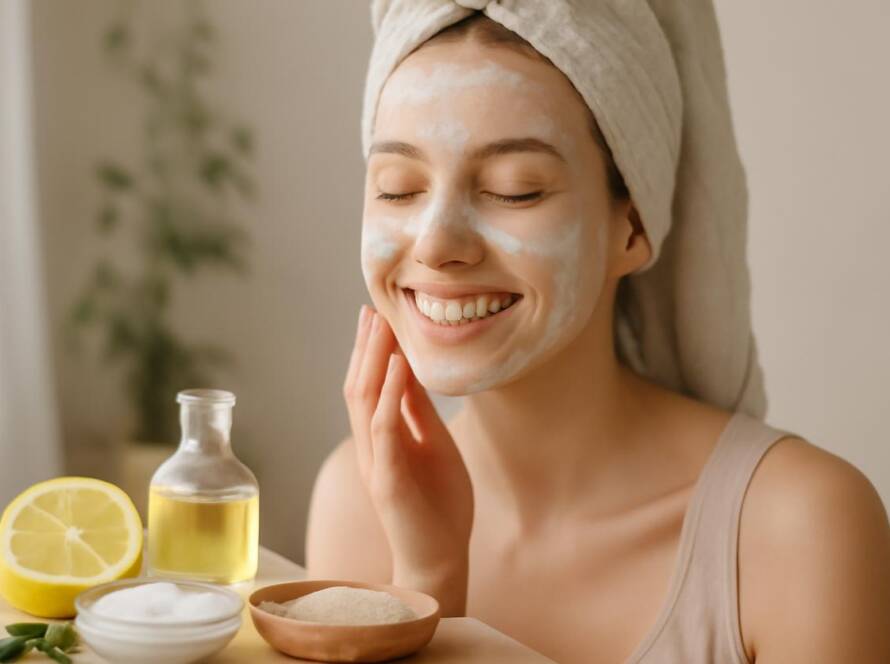

Why Choose Plant-Based Skin Care Approaches
In a world of complex ingredient lists and endless product choices, many are turning to their own kitchens for skin care solutions. The appeal of natural skin care remedies lies in their simplicity and transparency. When you create a treatment from ingredients you know and trust, you have complete control over what goes onto your skin. This approach connects us to a long history of using plant-based ingredients for health and beauty, offering a gentle, holistic, and often more affordable alternative to commercial products.
Opting for DIY or plant-based skin care is not just about avoiding synthetic chemicals; it is about embracing a mindful ritual. It encourages you to understand your skin’s unique needs and respond with nourishing, whole ingredients. While science has given us incredible advancements in dermatology, there is a comforting wisdom in harnessing the power of nature. This guide will help you navigate the world of natural skin care remedies safely and effectively, turning your kitchen into a personal skin care laboratory.
How Skin Works and Why Ingredient Choice Matters
To effectively use natural skin care remedies, it is crucial to understand the basics of our skin. Your skin’s outermost layer is called the stratum corneum, often described as a “brick and mortar” wall. The “bricks” are dead skin cells, and the “mortar” is a mix of lipids (fats) that holds them together. This is your skin barrier, and its main job is to keep moisture in and harmful irritants out.
A healthy skin barrier has a slightly acidic pH, typically around 5.5. This “acid mantle” helps protect against bacterial growth. When you apply ingredients that are too alkaline (like baking soda) or too acidic (like pure lemon juice), you can disrupt this delicate balance, leading to dryness, irritation, and breakouts. This is why ingredient choice is paramount; even natural substances can compromise your skin’s health if not used correctly. The goal of any skin care routine, natural or otherwise, should be to support and protect the skin barrier, not strip or damage it.
Basic Skin Types and Common Sensitivities
Understanding your skin type is the first step to choosing the right natural skin care remedies. While everyone’s skin is unique, most fall into one of these general categories:
- Dry Skin: May feel tight, rough, or flaky. It produces less sebum (natural oil) than other skin types and is prone to needing extra hydration and rich emollients.
- Oily Skin: Appears shiny or greasy, especially in the T-zone (forehead, nose, and chin). It is prone to enlarged pores, blackheads, and acne breakouts due to excess sebum production.
- Combination Skin: Features a mix of oily areas (usually the T-zone) and dry or normal areas (often the cheeks). This type requires a balanced approach to care.
- Sensitive Skin: Easily irritated and prone to redness, itching, burning, or stinging. It requires extremely gentle ingredients and careful patch testing.
- Normal Skin: Well-balanced, not too oily or too dry. It has few imperfections and is not overly sensitive.
Pantry-Friendly Ingredients and Their Functions
Many of the most effective natural ingredients can be found right in your pantry. These simple staples have been used for centuries due to their powerful, skin-loving properties. By understanding their functions, you can begin to craft simple and effective natural skin care remedies at home.
Honey, Oats, and Aloe Vera Explained
These three ingredients are the gentle giants of DIY skin care, suitable for a wide range of skin types and concerns.
- Honey: Especially raw or Manuka honey, is a humectant, meaning it draws moisture from the air into your skin. It also has natural antimicrobial and anti-inflammatory properties, making it beneficial for both hydrating dry skin and calming acne-prone skin.
- Oats: When ground into a fine powder (known as colloidal oatmeal), oats are incredibly soothing. They contain compounds called avenanthramides that reduce inflammation and redness. An oatmeal paste or bath can provide immense relief for itchy, irritated, or eczema-prone skin.
- Aloe Vera: The gel from the aloe vera plant is a powerhouse of hydration and healing. It is rich in vitamins, minerals, and anti-inflammatory agents that cool and soothe sunburns, reduce redness, and provide lightweight moisture without clogging pores. Always use pure aloe gel, not products with added alcohol or fragrance.
Carrier Oils, Essential Oil Cautions, and Dilution Guidance
Oils are fundamental to many natural skin care remedies, but they must be used correctly.
Carrier oils are plant-derived oils used to dilute potent essential oils and to moisturize the skin. Different oils suit different skin types:
- Jojoba Oil: Structurally similar to our skin’s natural sebum, making it an excellent choice for all skin types, including oily and acne-prone.
- Sweet Almond Oil: A gentle, lightweight oil rich in Vitamin E, perfect for sensitive or dry skin.
- Coconut Oil (Fractionated): While solid coconut oil can be comedogenic (pore-clogging) for the face, fractionated (liquid) coconut oil is lighter. However, it is still best for body care or for those with very dry, non-acne-prone skin.
Essential oils are highly concentrated plant extracts and are never safe to apply directly to the skin. They must be diluted in a carrier oil to prevent severe irritation, burns, and sensitization. For facial applications, a dilution of 1-2% is standard. This translates to 5-12 drops of essential oil per 1 ounce (30 ml) of carrier oil. Some essential oils, like tea tree (for blemishes) and lavender (for calming), are popular in skin care, but others like citrus oils (lemon, bergamot) can be phototoxic, causing skin reactions in sunlight.
Measured DIY Recipes with Timing and Storage Notes
When creating your own natural skin care remedies, always work with clean hands and sanitized utensils. Since these recipes contain no preservatives, it is best to make small, single-use batches or store them properly for a very short time.
Gentle Cleansing Balm for Sensitive Skin
This soothing balm gently removes impurities without stripping the skin.
- Ingredients: 1 tablespoon finely ground oats (colloidal oatmeal), 1 teaspoon raw honey, 1 teaspoon jojoba or sweet almond oil.
- Instructions: Mix all ingredients in a small bowl to form a paste. Gently massage onto damp skin in circular motions, avoiding the eyes. Rinse thoroughly with lukewarm water.
- Timing and Storage: Best made fresh for immediate use. Do not store.
Lightweight Hydration Oil for Dry Complexions
A simple, nourishing oil to lock in moisture after cleansing.
- Ingredients: 1 ounce (30 ml) jojoba or rosehip seed oil, 2-3 drops of lavender essential oil (optional).
- Instructions: Pour the carrier oil into a clean, dark glass dropper bottle. Add the essential oil, if using. Cap the bottle and shake gently to combine. Apply 3-4 drops to damp skin, pressing gently.
- Timing and Storage: Store in a cool, dark place for up to 6 months.
Calming Spot Treatment for Blemishes
A targeted treatment to help reduce inflammation in blemishes.
- Ingredients: A dab of raw honey, a tiny pinch of turmeric powder.
- Instructions: Mix the honey and turmeric to create a small dab of paste. Apply directly to a blemish with a clean finger or cotton swab. Leave on for 10-15 minutes before rinsing. Be aware that turmeric can temporarily stain the skin.
- Timing and Storage: Make fresh for each use.
Step-by-Step Patch Testing and Safety Checklist
Patch testing is a non-negotiable step before applying any new ingredient or DIY recipe to your face. An allergy or sensitivity can develop at any time, even to an ingredient you have used before. This simple test can save you from widespread irritation.
How to Patch Test:
- Apply a small amount of the ingredient or mixture to a discreet area of skin, like your inner wrist or behind your ear.
- Leave the area alone and do not wash it for at least 24 hours (48 hours is even better).
- After the time has passed, check the area for any signs of reaction, such as redness, itching, swelling, or blistering.
- If there is no reaction, the ingredient is likely safe for you to use. If you see any signs of irritation, wash the area immediately and do not use the product.
Safety Checklist:
- Always work with clean hands and sanitized tools.
- Use fresh ingredients. If an oil smells rancid or a food item is past its prime, do not use it.
- Be aware of your known allergies (e.g., nut allergies with almond oil).
- Never add potent ingredients like essential oils without proper dilution knowledge.
Signs a Natural Remedy Is Not Working and Next Steps
Just because a remedy is natural does not mean it is right for your skin. It is important to pay attention to how your skin responds and to stop using anything that causes a negative reaction. Look out for these red flags:
- Increased Redness or Inflammation: Your skin looks more flushed or irritated than before.
- Itching, Burning, or Stinging: These are clear signs of irritation.
- New or Worsening Breakouts: An ingredient may be clogging your pores or causing a reaction.
- Excessive Dryness or Flakiness: The remedy may be stripping your skin’s natural moisture barrier.
If you experience any of these symptoms, wash the product off immediately and apply a simple, soothing moisturizer. Discontinue use of the suspected ingredient. If irritation persists or is severe, it is always best to consult a board-certified dermatologist. For professional advice, the American Academy of Dermatology is an excellent resource for finding a qualified expert.
Daily Habits That Amplify Natural Skin Care Benefits
Effective skin care goes beyond what you put on your face. Holistic, natural skin care remedies work best when supported by healthy daily habits. True radiance comes from a combination of internal and external care.
- Hydration: Drinking an adequate amount of water throughout the day helps keep your skin cells plump and functioning properly.
- Balanced Diet: A diet rich in antioxidants from fruits, vegetables, and healthy fats provides your skin with the building blocks it needs to repair itself and glow from within.
- Quality Sleep: During sleep, your body goes into repair mode, increasing blood flow to the skin and rebuilding collagen. Aim for 7-9 hours per night.
- Sun Protection: This is the single most important anti-aging step. Sun exposure is the primary cause of premature aging and skin damage. Always wear a broad-spectrum sunscreen with an SPF of 30 or higher, as recommended by organizations like the World Health Organization.
Debunking Popular Claims About Natural Remedies
The internet is filled with DIY skin care “hacks,” but many are ineffective or downright harmful. It is important to separate fact from fiction. For any strategies you consider in 2025 and beyond, be critical of the source.
- Myth: “If you can eat it, it is safe for your skin.”
Fact: This is one of the most dangerous myths. Your digestive system has strong acids that can break down foods your skin cannot tolerate. Applying acidic ingredients like lemon juice or vinegar directly to your skin can severely disrupt its pH, causing chemical burns and photosensitivity. Similarly, alkaline substances like baking soda can strip the skin barrier, leading to extreme dryness and irritation.
- Myth: “Natural ingredients are always gentle and allergy-proof.”
Fact: Poison ivy is natural, but you would not put it on your face. Many people are allergic to natural substances, including certain plants, pollens, and essential oils. “Natural” does not equal “hypoallergenic.” This is why patch testing is essential.
- Myth: “You can make effective sunscreen at home.”
Fact: This is unequivocally false and dangerous. Formulating a sunscreen that provides stable, broad-spectrum protection is a complex chemical process. DIY sunscreen recipes do not provide reliable or adequate protection from harmful UV rays, leaving you vulnerable to sunburn, premature aging, and skin cancer.
Frequently Asked Questions
Can natural skin care remedies replace my dermatologist-prescribed treatments?
No. If you have a diagnosed skin condition such as cystic acne, rosacea, eczema, or psoriasis, you should always follow the treatment plan prescribed by your healthcare provider. Natural remedies can sometimes be used as a gentle, complementary part of your routine, but you must discuss this with your dermatologist first to ensure there are no contraindications.
How long does it take to see results from natural remedies?
Patience is key. Unlike some potent commercial products, natural remedies often work more gently and gradually. You might notice immediate soothing or hydrating effects from a mask, but for longer-term benefits like improved texture or fewer breakouts, it could take several weeks of consistent use. Skin cell turnover takes about 28 days, so giving any new routine at least a month is a good rule of thumb.
Are these remedies safe to use during pregnancy?
When pregnant or breastfeeding, it is crucial to be extra cautious. While many simple pantry ingredients like oats and honey are generally considered safe, essential oils and certain herbal extracts should be avoided. Always consult with your doctor or a qualified healthcare professional before introducing any new products or remedies into your routine during pregnancy.
Resources and Scientific References
For those interested in diving deeper into skin science and complementary health approaches, these reputable sources provide evidence-based information:
- American Academy of Dermatology (AAD): A professional organization for dermatologists offering trustworthy information on skin health and conditions.
- PubMed Central (PMC): A free full-text archive of biomedical and life sciences journal literature at the U.S. National Institutes of Health’s National Library of Medicine. A great resource for finding studies on specific ingredients.
- National Center for Complementary and Integrative Health (NCCIH): The U.S. government’s lead agency for scientific research on the diverse medical and health care systems, practices, and products that are not generally considered part of conventional medicine.