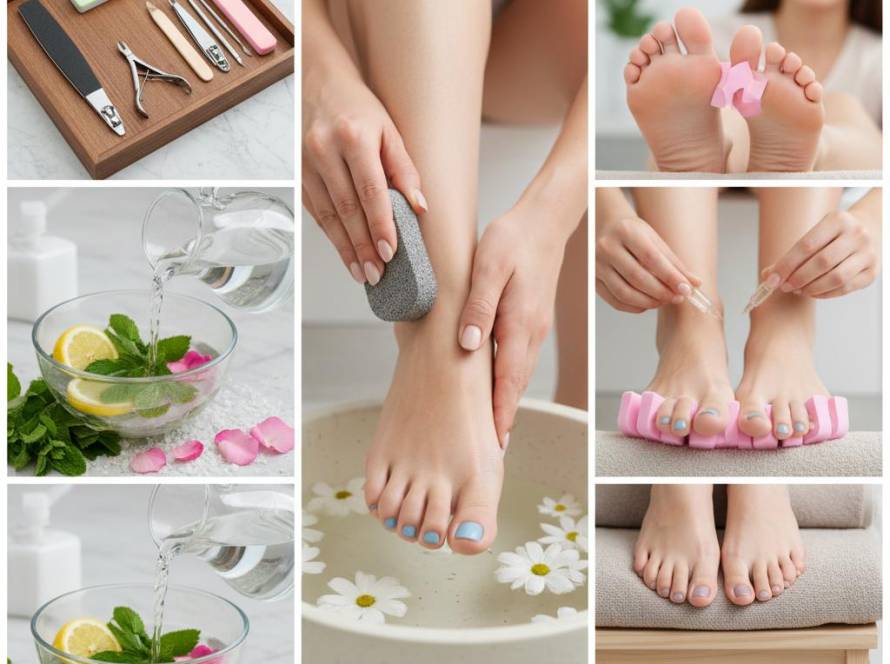

Why foot care matters
Our feet are our foundation. They carry us through thousands of steps every day, supporting our entire body weight. Yet, they are often the most neglected part of our self-care routine. Consistent foot care is not just about aesthetics; it’s a cornerstone of overall health and wellness. Ignoring your feet can lead to discomfort, pain, and more serious issues like fungal infections, painful calluses, and cracked heels that can become gateways for bacteria.
A regular foot care routine, such as a pedicure, helps maintain the health of your toenails and the skin on your feet. It improves hygiene, prevents problems before they start, and offers a valuable moment of relaxation and stress relief. By paying attention to your feet, you are investing in your mobility, comfort, and long-term well-being.
What a pedicure is and its benefits
A pedicure is a cosmetic and therapeutic treatment for the feet and toenails. It involves a series of steps designed to clean, soften, and beautify the feet. While many associate a pedicure with a vibrant coat of nail polish, the treatment’s core purpose is to promote foot health. Whether done at a salon or in the comfort of your own home, a quality pedicure offers numerous advantages.
The benefits of a regular pedicure extend far beyond just pretty toes. Here are some of the key advantages:
- Improved Foot Hygiene: Soaking, cleaning, and trimming nails prevent the buildup of dirt and bacteria, reducing the risk of infections.
- Prevents Ingrown Toenails: Proper nail trimming during a pedicure helps ensure your toenails grow straight and healthy, minimizing the chance of painful ingrown nails.
- Exfoliation and Callus Removal: Removing dead skin cells and smoothing calluses not only makes feet look better but also prevents skin from cracking and causing pain.
- Increased Circulation: The massage component of a pedicure helps stimulate blood flow in the feet and lower legs, which can reduce pain and tension.
- Early Detection of Issues: Regularly examining your feet allows you to spot potential problems like fungal infections, corns, or bunions early on.
- Stress Relief: The act of soaking your feet and receiving a gentle massage is incredibly relaxing, helping to melt away the stress of the day.
Supplies and preparation for an at-home pedicure
Creating a spa-like experience at home is easy with the right supplies. Before you begin your at-home pedicure, gather all your tools and find a comfortable spot where you can relax without interruption. Ensure your space is well-lit and you have a towel handy to protect your floors.
Choosing the right tools
Investing in a set of quality tools is essential for a safe and effective pedicure. Always remember to clean and sanitize your tools before and after each use with rubbing alcohol to prevent the spread of bacteria. Here’s a list of what you’ll need:
- Foot Basin or Tub: Large enough to comfortably soak both feet.
- Epsom Salts or Foot Soak: To soften skin and soothe tired muscles.
- Nail Clippers: Choose a straight-edged clipper specifically designed for toenails.
- Nail File: An emery board or glass file to shape your nails.
- Cuticle Pusher: A wooden or metal tool to gently push back cuticles.
- Pumice Stone or Foot File: For exfoliating rough skin and calluses.
- Foot Scrub: To slough away dead skin cells.
- Thick Moisturizer or Foot Cream: To hydrate and nourish your skin.
- Towels: For drying your feet and protecting surfaces.
- (Optional) Nail Polish Supplies: Base coat, color polish, top coat, and nail polish remover.
Step-by-step at-home pedicure routine
Follow these simple steps for a perfect at-home pedicure that will leave your feet feeling refreshed and revitalized. This routine is designed for anyone to follow, turning a basic task into a luxurious self-care ritual.
Soak and soften
The first step in any pedicure is a warm, relaxing soak. This not only cleanses your feet but also softens the skin and cuticles, making them easier to work with. Fill your foot basin with warm water (not hot) and add a handful of Epsom salts or a few drops of your favorite essential oil, like lavender or peppermint. Soak your feet for 10 to 15 minutes. Use this time to unwind, read a book, or simply close your eyes and relax.
Exfoliate and file
After soaking, pat one foot dry, leaving the other to soak. Use a pumice stone or foot file to gently scrub away rough, calloused skin, focusing on your heels and the balls of your feet. Be gentle and avoid over-filing, as this can cause sensitivity. Next, apply a foot scrub and massage it all over your foot and ankle to exfoliate the remaining dead skin. Rinse thoroughly and repeat on the other foot.
Cuticle care and trimming
Proper nail care is a crucial part of a healthy pedicure. Use your toenail clippers to trim your nails straight across. Avoid rounding the corners, as this can lead to ingrown toenails. After trimming, use a nail file to gently smooth any sharp edges.
Next, address your cuticles. Apply a drop of cuticle oil to the base of each toenail to soften the skin. Use a cuticle pusher to gently push them back. Never cut your cuticles, as they serve as a natural barrier against bacteria and infection.
Moisturize and massage
Now for the most relaxing part of the pedicure: the massage. Apply a generous amount of a rich foot cream or moisturizer to your feet. Spend a few minutes massaging each foot, using your thumbs to apply firm pressure to the arches, heels, and balls of your feet. Don’t forget to massage your ankles and calves. This not only feels amazing but also boosts circulation and deeply hydrates your skin.
Nail polishing tips and alternatives
If you choose to apply polish, start by wiping each nail with nail polish remover to eliminate any oils from the lotion. Apply a thin base coat to protect your nails from staining and help the polish adhere better. Follow with two thin coats of your chosen color, allowing each coat to dry for a few minutes. Finish with a top coat to add shine and prevent chipping.
For a natural look, you can skip the polish altogether. Simply use a nail buffer to buff your nails to a beautiful, healthy shine. This is a great, low-maintenance alternative that still looks polished and clean.
Natural ingredients and DIY treatments
You don’t need expensive products to have a great pedicure. Many effective treatments can be made with simple ingredients from your kitchen. These DIY options are natural, affordable, and easy to prepare.
- DIY Foot Soak: Add 1/2 cup of Epsom salts and 5-10 drops of peppermint essential oil to your warm water basin for a soothing and invigorating soak.
- DIY Sugar Scrub: Mix 1/2 cup of brown sugar with 1/4 cup of coconut or olive oil. Add a few drops of lemon essential oil for a brightening effect. Massage onto feet to exfoliate, then rinse.
- DIY Moisturizing Mask: Mash half an avocado and mix it with a tablespoon of honey. Apply the mixture to your feet, wrap them in plastic wrap or warm towels, and leave it on for 15-20 minutes before rinsing.
Common mistakes to avoid
An at-home pedicure should be a safe and pleasant experience. Avoid these common pitfalls to protect your foot health:
- Cutting cuticles: This can lead to infection. Push them back gently instead.
- Using dirty tools: Always sanitize your tools before and after each pedicure to prevent bacterial or fungal infections.
- Aggressive filing: Over-filing calluses can damage the healthy skin underneath and cause pain.
- Rounding toenails: Trimming nails in a curve increases the risk of ingrown toenails. Always cut straight across.
- Ignoring pain: Pain is a signal that something is wrong. Don’t try to “fix” painful issues like deep corns or ingrown nails yourself.
When to seek a professional foot specialist
While a DIY pedicure is excellent for routine maintenance, some conditions require medical attention. You should consult a podiatrist or foot specialist if you experience any of the following:
- Signs of a fungal infection (yellow, brittle, or thickened nails).
- A painful or infected ingrown toenail.
- Warts or persistent corns and calluses.
- Any foot-related issues if you have diabetes, as minor problems can become serious. For more information, consult resources like the American Podiatric Medical Association on diabetic foot care.
- Persistent foot pain or swelling.
Seasonal foot care tips
Your foot care needs can change with the seasons. Adjusting your pedicure routine ensures your feet stay healthy and comfortable all year long, with our strategies for 2025 and beyond.
Summer Care:
During summer, your feet are often exposed in sandals. Focus on keeping them smooth and protected. Exfoliate regularly to prevent rough patches. Don’t forget to apply sunscreen to the tops of your feet to prevent sunburn. A bright, cheerful pedicure can be the perfect summer accessory.
Winter Care:
In winter, feet are hidden away in socks and boots, which can lead to dry, cracked skin. The focus of your winter pedicure should be intensive hydration. Use a richer, thicker moisturizer and consider applying it at night and wearing cotton socks to bed to lock in moisture. A warm foot soak can also be a wonderful way to warm up on a cold day.
Frequently asked questions
How often should I give myself a pedicure?
For general maintenance, a full pedicure every 2 to 4 weeks is ideal. You can moisturize your feet daily and touch up your nail polish as needed in between full sessions.
Is it safe to get a pedicure if I have diabetes?
If you have diabetes, you must be extra cautious with foot care. While you can perform a gentle at-home pedicure, avoid sharp tools, never cut calluses or corns, and be very careful not to break the skin. It is highly recommended to consult your doctor or a podiatrist for professional foot care.
What is the best way to fix a cracked heel?
For cracked heels, start with a gentle filing after soaking your feet. Do not try to remove all the hard skin at once. Follow with a heavy-duty moisturizer containing ingredients like urea or lactic acid. Apply it twice daily, especially before bed.
Conclusion and additional Garden of Eden resources
Embracing a regular at-home pedicure routine is a powerful act of self-care. It goes beyond aesthetics, playing a vital role in your overall health, comfort, and well-being. By following these steps, using natural ingredients, and avoiding common mistakes, you can maintain beautiful, healthy feet all year round. Your feet work hard for you; taking the time to care for them is a reward they truly deserve.
For more natural self-care tips and guides, explore the resources available here at Garden of Eden. We are dedicated to helping you nurture your body from head to toe.